As one of the most popular gaming franchises around, a new Dark Souls game could essentially market itself. Today, a game can market itself on how similar it is to FromSoftware’s beloved ‘soulslike’ formula, but that wasn’t always the case.
When 2009’s Demon’s Souls was introduced to western markets, on an upcoming episode of our FRVR Podcast, former head of Bandai Namco UK Lee Kirton recalls the difficulty of marketing a gameplay series designed around its then-unique level of difficulty.
“I’d say that Demon Souls and Dark Souls 1 were the hardest games to market, full stop,” the marketing veteran explained. Kirton explained that Bandai Namco thought FromSoftware’s unique game design was important to bring to the west after its initial Japanese launch, but it was a unique challenge in a time where difficult games simply weren’t popular.
“The feeling of dying in a video game was failure, but actually failure was part of the reward”.
Former head of Bandai Namco, Lee Kirton
“I kind of fell in love with it from the beginning,” Kirton explained, who found the game to rekindle the games he loved prior in prior generations. “I think there was a huge importance to Demon Souls, hence the company distributing it and publishing it across the territories that they were”.
Despite this, the marketing veteran explained that “not everything was feeling its warmth at the time because it was completely new”. Back then, Dark Souls was a new kind of third-person action game, now its a genre of its own—the master of that genre, even—and just being tangentially close to its design is enough to wrangle in a crowd.
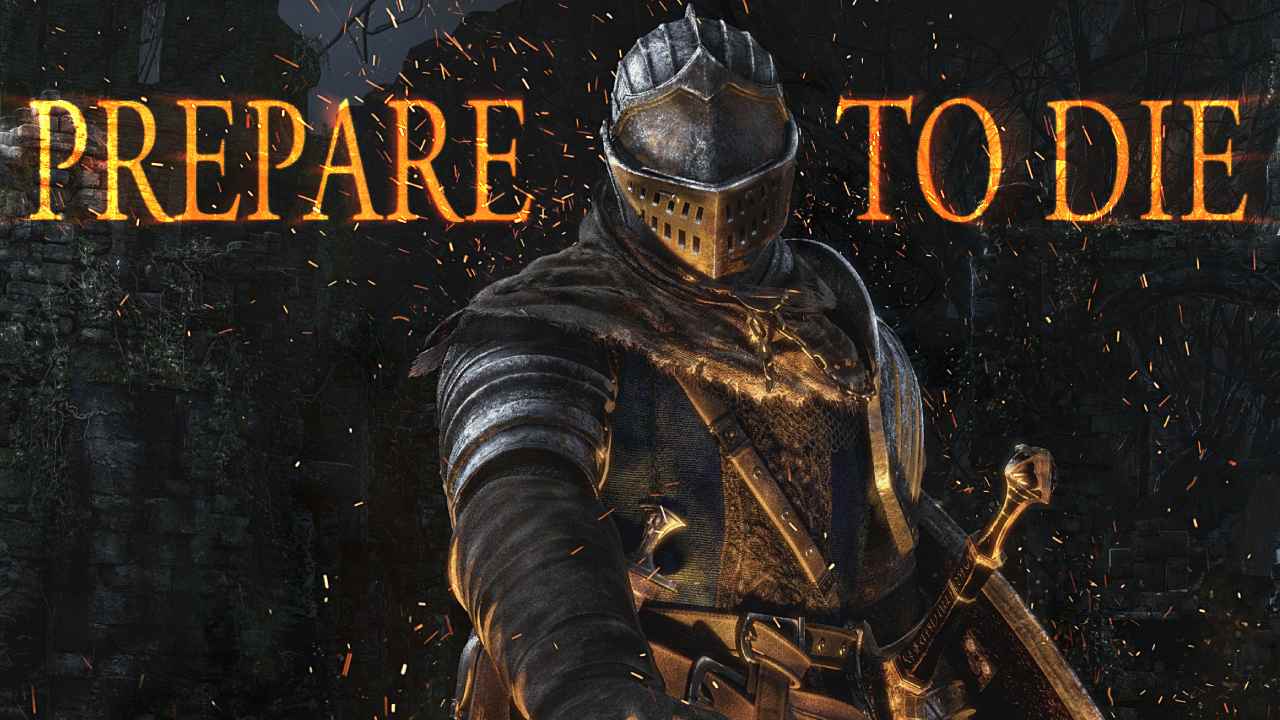
When Dark Souls was coming to the west, it was marketed with the iconic “Prepare to Die” slogan, leveraging the difficulty that had already fostered a cult audience with its PS3-only predecessor. While it turned out to be effective, this was a bold move at the time, as that generation of gamers were usually pushed towards “easy” games designed to be completed without much pushback.
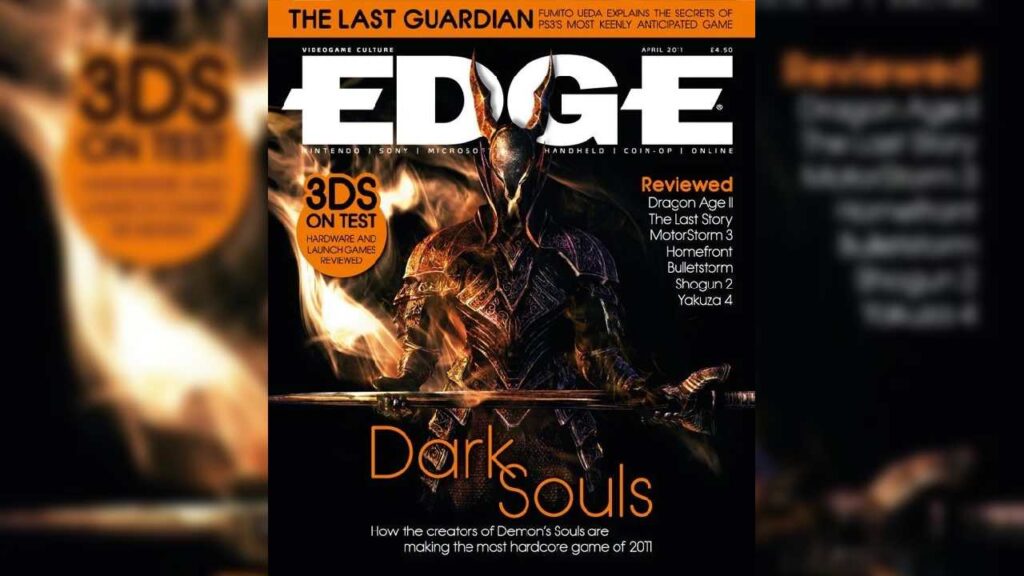
“’Prepare to Die’, ‘You Will Die’, they were both used, in a lot of cases that was a turn-off back then because people didn’t want to die in a video game,” Kirton recalls. “You know, the feeling of dying in a video game was failure, but actually failure was part of the reward because through failure you were learning the process of this unique gameplay experience”.
Kirton recalls that marketing Dark Souls was difficult “in the beginning”, but the first game proved itself to the industry at large. The FromSoftware series was never marketed as a “mainstream game”, as Kirton recalls, but it connected so much with gamers that it became one of the most iconic franchises of the modern gaming era.
“When Dark Souls came out, it did change that because it did start to find an audience,” he said. “We obviously had the internet, we had social media, we had forums, and people were talking about it a lot more. And then obviously then came Dark Souls II and then Dark Souls III, you know, everyone has their favourite.”
Right now, the Dark Souls franchise is seemingly on a sabbatical while FromSoftware continues to explore Elden Ring and new franchises. The studio’s next game, The Duskbloods, is an upcoming Nintendo Switch 2 exclusive, and focuses on PvPvE gameplay to offer a unique style of soulslike gameplay to fans.
Alongside the upcoming arrival of The Duskbloods, FromSoftware is also returning to Elden Ring for the game’s new Tarnished Edition release. Coming alongside the release of the game’s new Nintendo Switch 2 port, which was delayed for performance worries, the new version will add new classes, armour sets, and Torrent customisation.