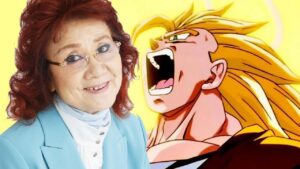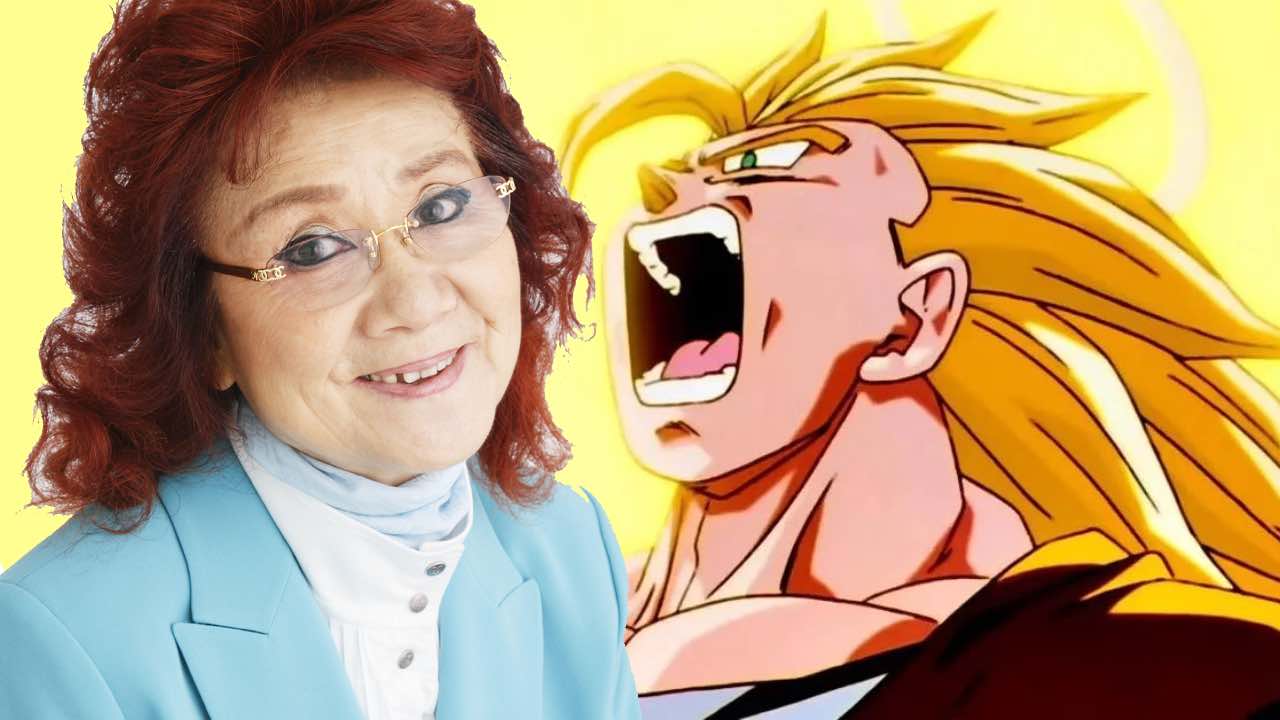
Japanese VA legend Masako Nozawa, most known for the voice of Dragon Ball’s Goku, has criticised the unregulated state of AI.
In Japan, many have used AI voice programs to clone the actor’s iconic Goku voice, as well as their other characters such as Gohan and Goten. As a legend of Japanese acting, Nozawa explained that she is “angry” about the ongoing push for artificial intelligence.
“It has no heart,” Nozawa told Japanese broadcaster NHK. “It might even be a perfect copy. But it has no heart, does it? Without heart, it’s no good, no matter the role. Even a voice that’s only crying is different when you cry with real feeling. That’s what I believe.”
Nozawa, who is now 89 years old, has been acting for over six decades, first starring in Toei’s Wolf Boy Ken in 1963. Since then, the actor has been consistently acting in games, live-action, and anime, including Japanese dubs of films such as The Goonies, Zootopia 2, To Kill a Mockingbird, and more.
The actor explained that any AI clone of her voice simply isn’t her, and her voice should belong her and her only. “This is not my voice,” they said. “Using it without permission is unforgivable. It’s the same as theft, and it makes me angry.”
In recent news, Japanese courts have pushed to protect actors against the rise of AI cloning within the region. Earlier this month, a Tokyo court awarded legal protection to Japanese actor Kenjiro Tsuda, known for his role as Kento Nanami in Jujutsu Kaisen, over an AI voice clone used on TikTok.
“The human voice is symbolic of individual personality, just like one’s portrait,” Presiding Judge Aya Takahashi said, as reported by AP. The case argued that the use of AI-generated voices in TikTok videos were damaging the reputation of the actor.
While Nozawa is against the use of generative AI, especially when it comes to the cloning of her voice, she admitted that the technology can be useful outside of generative cases. The Goku actor argued that the advancement of AI is exciting in some cases, but unauthorised, non-consensual use of someone else’s work or identity is disappointing.
With that said, the Japanese Actors Union as of today, have now introduced new guidelines that require voice actors and management to be consulted and require advanced approval to use their voices for AI. Additionally, AI dubbing requires approval for each language, and deceased actors’ likenesses must be approved by family members.
Of course, this doesn’t cover AI generated content outside of official channels. The widespread issue is still at large with anyone now able to non-consensually clone someone’s voice whether in or outside Japan.