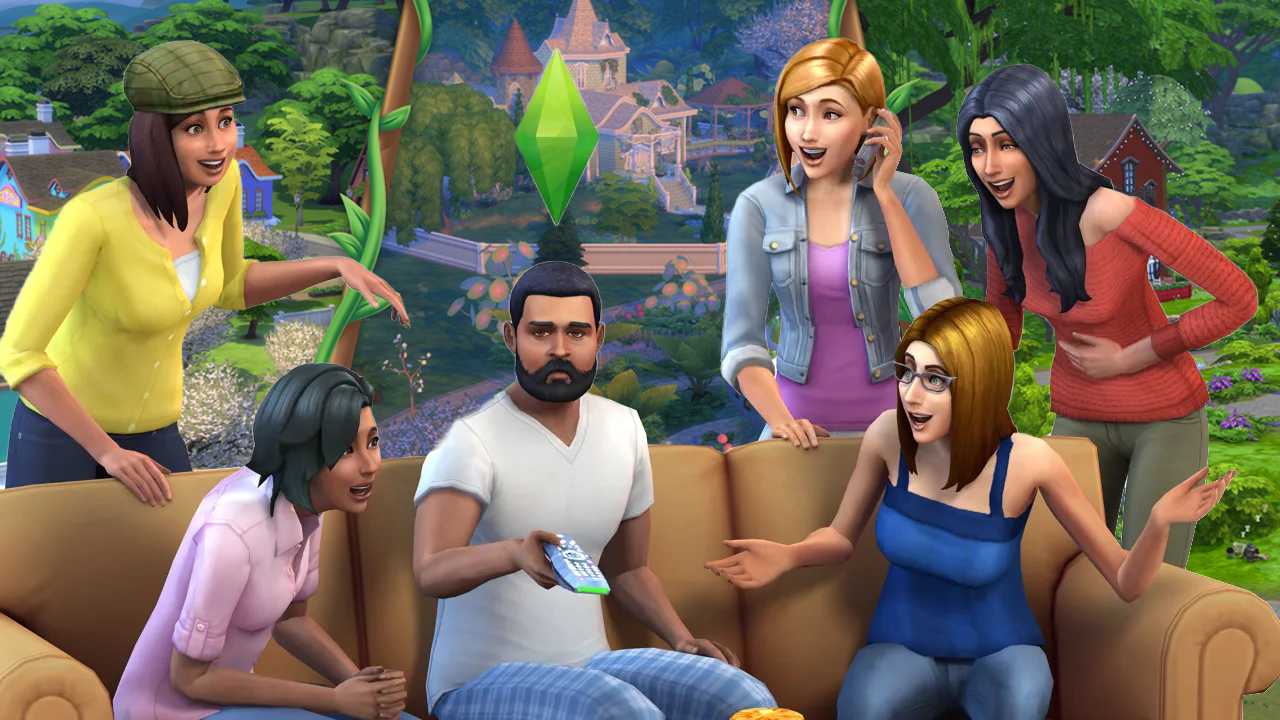
Maxis’ The Sims is a very unique beast, one that has survived for decades without any real competition. To this day, Maxis’ slapstick life simulator is unrivalled in its popularity with its only true modern competitor, Inzoi, failing to capture an audience.
But why is The Sims so popular? After discussing the importance of diversity in the series, former The Sims and The Sims 2 designer Charles London discussed the series’ seemingly immortal popularity and why there’s nothing quite like it.
One of the main reasons why Maxis’ series has been so unchallenged is largely, as London explains, due to its humour. Take, for example, InZoi, Krafton’s competent life simulator is realistic, it looks shiny, but it’s largely humourless… outside of that bug where you could run over everyone for a few days.
“The Sims has a comedic quality that is very bound up with its success,” London said, “and its very difficult to go into that space, I think, in a serious way, which some people have tried and feel the same connection and emotions. We used humour really as one of our most powerful weapons, and there’s not a lot of room left… if you make another one of these games, it’s gotta be funny, I think, and then you’re really feeling like, are you making a clone? What are you adding?”
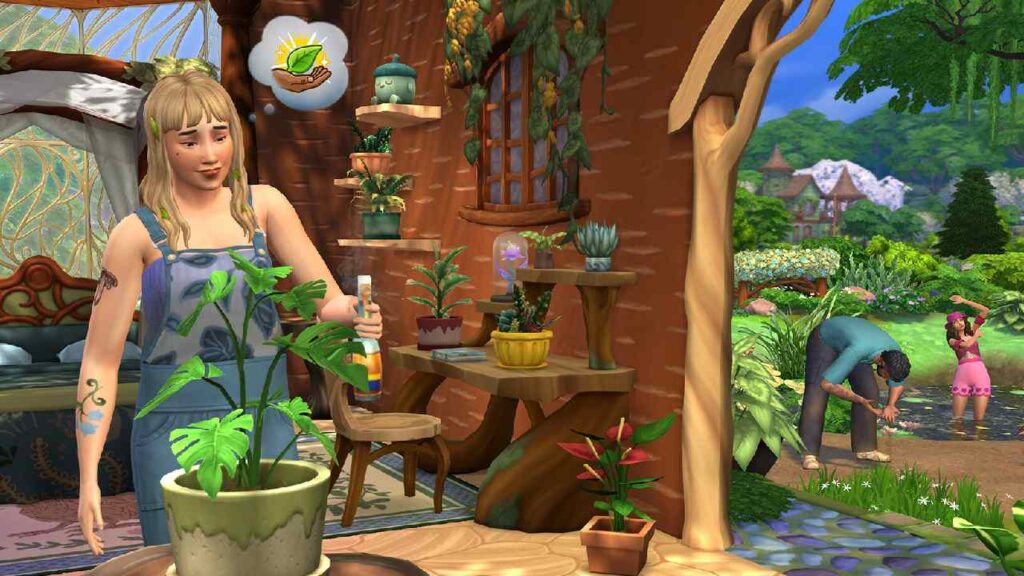
London explained that a lot of the feeling of The Sims comes from its creator, Will Wright. “Anyone who’s worked with Will Wright learns very quickly that he’s just one of the funniest human beings in the world,” he said, “just being around him is funny. Not just fun, but funny.”
Humour is pumped into every single aspect of the series with London explaining that its not only a satire of the 80s and 90s suburban dream, but also adapting life as a TV sitcom. “The whole TV sitcom presentation of what world… is why, if you squint at The Sims, even though we never said it, was kind of set in the 50s”, not just in its visual style, but even down to its music and the types of jobs that characters could have.
It helps that the construction of The Sims comes from a place of love and connection. Will Wright famously started to design the game after losing all of his possessions and his home in the 1991 Oakland firestorm. This is why appliances in the series break, and why the original game is so much harder than its sequels.
“It created a business that was all about the relentless delivery of content”.
The Sims designer Charles London on The Sims’ success
“Will [Wright was] making a comment about materialism,” London said, “and how the collecting of these wealth accoutrements didn’t actually drive certain motives that, as you grow older and you learn more about life, hopefully, you realise aren’t necessarily correlated with happiness. I think when we invested in the social game, while we satirised it, we tried to tell a fairly honest story about where value comes from, about where love comes from, about how loves comes from like. It doesn’t come from some sort of storybook magical place.”
While not everyone cares about The Sims’ message or even how funny it is, it’s undeniable that those are core to the game, and a lot of clones do end up feeling lesser, not just by not having them, but also by not having anything in their place. There’s no The Sims, but this is dark and edgy… although with some mods users have made Maxis’ game dark and edgy with a slew of mods.
“Humour is a very, very high level emotion,” London said, “you can’t find something funny unless you are deeply epathising with it, and so that’s hard… I do not want to ascribe it to our genius, ‘we did it so well’. I think that anything done well can be done better—deosn’t matter how good it is, someone can do it better. But, in this industry, or just in any arrt when something is that singular, you’ve got to find a way to differentiate yourself and bring something new and worthy that is an addition.”
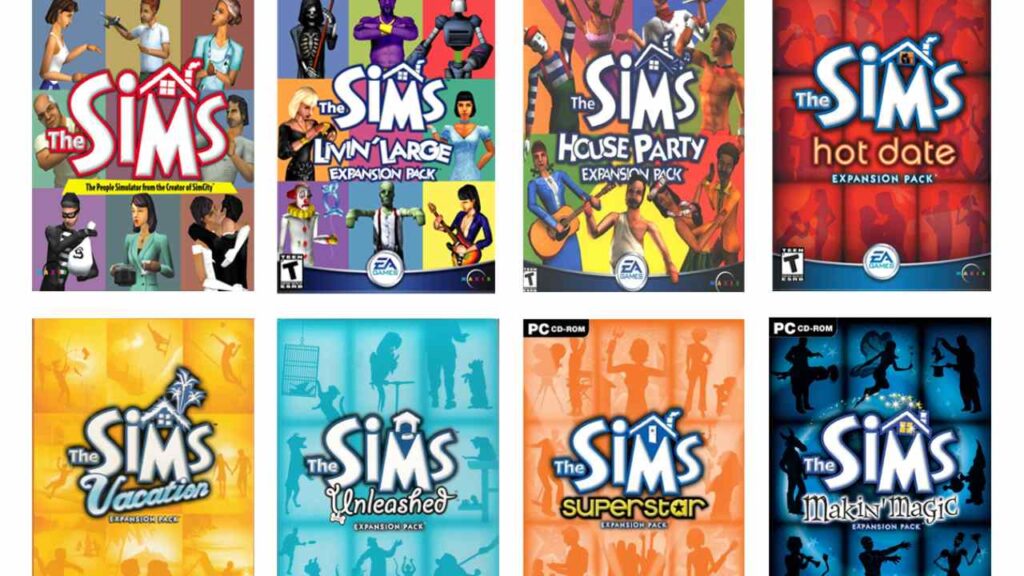
London explains that another reason why The Sims is so successful is due to the way in which its made. From the very start, The Sims team made a decision that the way in which every object worked, it’s animations and its sounds, would be tied to that object, not anything else. This allowed the team to create the expansion packs we now know—and occasionally love today—which, in turn, allows the games’ creators to add anything to the game when they want.
“One of the things The Sims mastered early, thanks to a brilliant business designer creative leader named Tim LeTourneau, is the art of creating what today would be called live service,” London said. “We invented the expansion pack, we really did,” he continued, explaining that singular expansions and small mission packs were not the same as what Maxis was doing.
The way in which The Sims handled objects meant that “using this amazing new technology called the internet”, anyone could download and object with everything a user needed and they wouldn’t even need to patch the game.
“The whole architecture as built to facilitate this,” he continued. “It was Tim LeTourneau who from a creative and business standpoint said, ‘Okay, we’re going to take that capability and we’re going to weave a theme around it and we’re going to, you know, so this is all about ‘Sims can go on dates now. Oh, Sims can go to work now. Oh, Sims can have pets now.’”
London explained that this “created an ecosystem and it created a pipeline and it created a business that was all about the relentless delivery of content”. In the early 2000s, there was no game with an output like The Sims, it was incredible, multiple expansions and the game would flood the top ten best sellers list. It was unstoppable. And The Sims still operates with that same veracity.
“That is very hard to do. That is it’s just really hard to do. I mean, even today, this is where free-to-play live services businesses live or die, right, is on on live service provision. And I think the reason for that there’s no point in time where it can come to market and it won’t be compared to The Sims, and The Sims will have a thousand times more things to do in it than this new game will.
“The Sims has a very smart business cycle where a new base game gets released before they’ve stopped expanding on the old game so that, at any one time, depending on where you are in your adoption, you have access to this incredibly rich simulator experience. A competitor who’s going to come in will have to come in with five years of downstream content, right? And then where does their business go? It’s very, very difficult to come into that space for that reason as well.”
London explained that there’s a number of smaller nuances that The Sims does that other competitors may slightly miss the mark on. (For example, Inzoi’s direct control over characters means you “lose the sense that there is an inner life” within the world.) While The Sims is not perfect and does have issues—after all, no one really enjoys paying for expansion packs again in the next game—it’s a series that has absolutely nailed its business case.
Unlike most other video games, The Sims not only has a unique draw, but also has a unique business. It’s a video game, it’s a toy, it’s an architectural tool, it’s a comedy, it’s a simulator, it’s somewhat education. It hits countless audiences, and it’s somehow able to keep selling expansion packs while modders also make thousands of items available for free. There’s not many games that can do that.