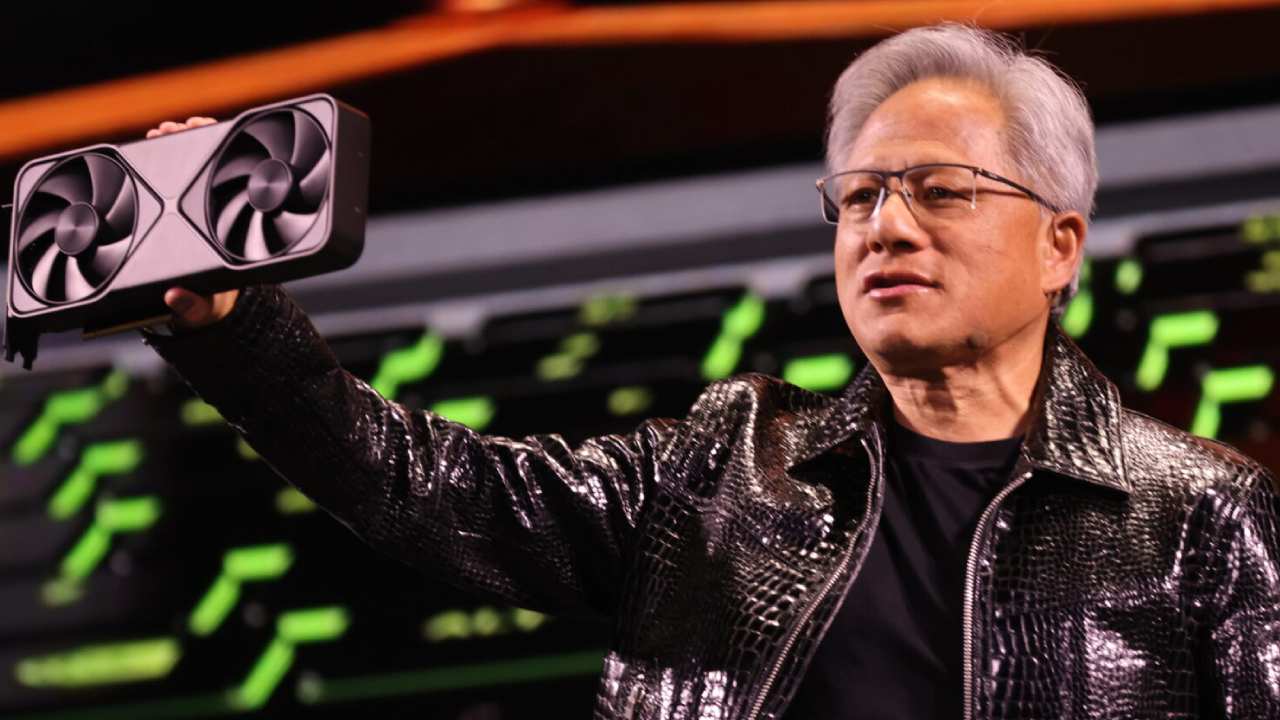
It’s been a horrendous half-decade for gaming GPU prices. Following the rise of cryptocurrency and the global chip shortage of the pandemic, now the AI bubble is causing graphics card prices to skyrocket again. As datacenters buy up the world’s supply of RAM, Nvidia has confirmed that the worldwide shortage of GPUs will continue as reports claim new hardware launches are out of the question until 2028.
Speaking in a recent earnings call, Nvidia CFO Colette Kress explained that the company “can expect supply constraints to be a headwind to gaming in the first quarter of fiscal 2027 and beyond”.
When asked directly by an investor if gaming revenue can improve despite the ongoing RAM shortages, Kress explained that the next “couple [of] quarters” will be hard due to a “very tight” supply of memory allocated for Nvidia’s GPU division.
“As much as we would love to have…more supply, we do believe for a couple quarters, it is going to be very tight,” the CFO said. “If things improve by the end of the year, there is an opportunity to think about what this is from a year-over-year growth, but it’s still too early for us to know at this time.”
In the latest earnings report, Kress confirmed that gaming revenue for Nvidia had grown 47% year-over-year while gaming sales had fallen by 13% quarter over quarter. This shows a drastic drop over the past few months as memory sales have ravaged the entire hardware landscape worldwide to appease the goliath demands of AI datacenters.
Nvidia is also largely to blame for the chip shortage on the gaming side. Last year, reports claimed that the tech giant was buying up 77% of the world’s silicon wafers for use in its own AI hardware with a 50% year-over-year increase in wafers dedicated to AI hardware over the previous year.
Via video game analyst Mat Piscatella, the effect this memory shortage has had on the price of technology in the gaming world is nothing short of disastrous. In just a few months, the “average price paid per unit of hardware increased by 87%” with the price of accessories also jumping by 121%.
As for Nvidia, the “very tight” memory constraints for the company’s gaming division is already having an effect. Via PC Mag, the hardware giant has reportedly delayed the release of the RTX 6000 series GPUs into 2028 as “memory supply is constrained”. The last Nvidia GPU launch was the RTX 5000 series in January 2025 which would put a three-year gap between hardware revisions for the first time ever.
Additionally, Nvidia has reportedly shelved its proposed RTX 5000 Super line of GPUs, upgraded versions of its current GPU stack, and will instead focus on attempting to maintain supply of the current line of graphics cards.
All in all, it’s a terrible landscape for PC gaming, even hitting the stock of gaming handhelds like Valve’s Steam Deck, and even delaying the launch of Valve’s upcoming Steam Machine.