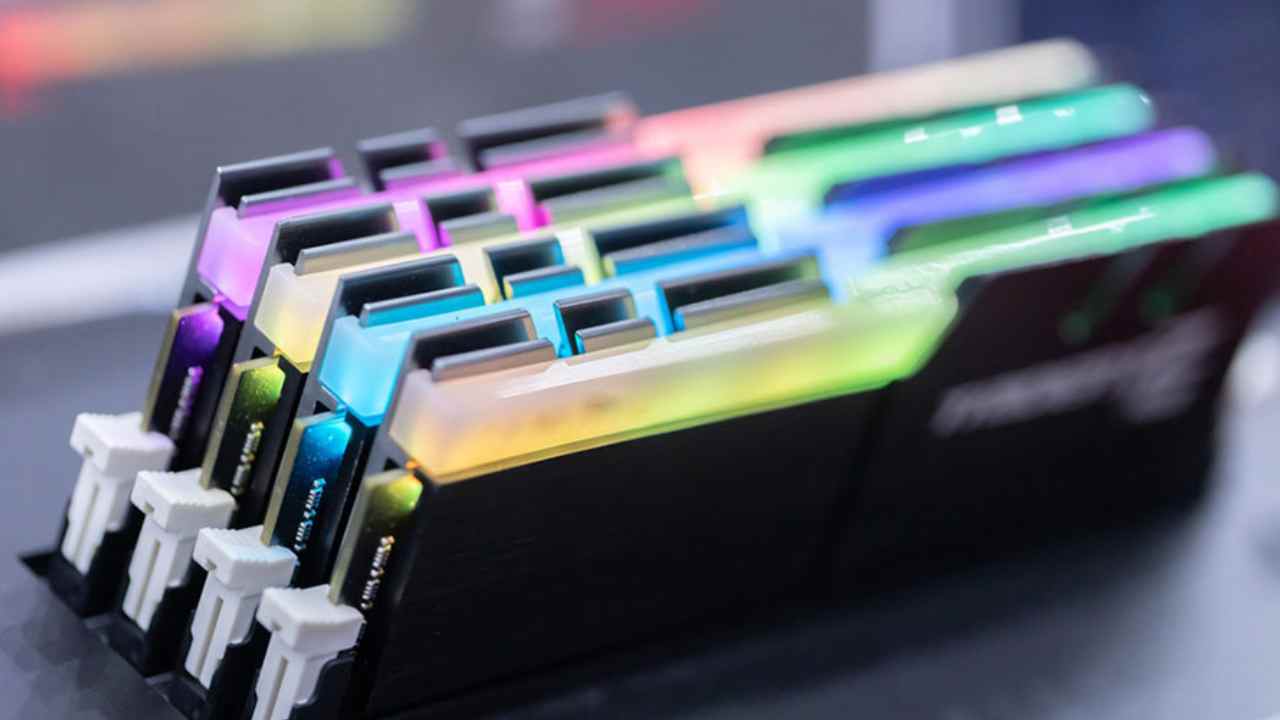
The massive cost increase and worldwide shortage of DRAM is expected to continue well in 2027, and we’re already seeing its effects on consumer electronics. With PC gaming handhelds like Steam Deck running out of stock due to shortages, other devices are already seeing price hikes, and Samsung is reportedly increasing the price of DRAM by over 100% in line with recent market trends.
As AI datacenters guzzle up the majority of the world’s DRAM supply, reportedly even buying up unprocessed silicon wafers that have yet to turned into hardware, Samsung is increasing prices again following a 70% increase in January.
This comes after Nvidia has warned that the gaming GPU shortage will continue due to a lack of VRAM chips. While the shortage affects gamers and all manner of consumer electronics, the shortage is not affecting the continually growing AI datacenters, many of which Nvidia also owns.
The report comes from respected South Korean news outlet Etnews, who reports that Samsung Electronics will be increasing its DRAM prices for customers. Those customers are the companies making chips that are then bought to create a large number of products. For example, Nintendo’s new Nintendo Switch 2 console uses Samsung chips for its onboard storage and 12 GB LPDDR5X memory.
“Samsung Electronics has finalised DRAM supply price negotiations, and some overseas customers have already completed payment,” Etnews reports. “The additional price increase reflects price fluctuations between January and February.”
The news report claims that many manufactures are now switching to monthly contracts instead of quarterly contracts with companies like Samsung as the demand for DRAM reaches critical levels. Despite this, all major RAM companies are still supplying AI datacenters with the vast majority of product with consumer electronics suffering major stock shortages or price increases as a result.
Etnews’ report comes after another report by SEDaily, thanks PCGamer, which claimed that “Samsung Electronics’ current production capacity can only handle about 60% of the volume due to the continued surge in DRAM demand.”
Nevertheless, customers—largely consumer electronics companies—are currently “focusing on securing volume”, trying to hoard as many chips as possible despite the massive price hike from DRAM manufacturers. However, with monthly contracts, customers are expecting to continue seeing price increases month-to-month as the demand by AI companies refuses to wane.
In a recent report by analytics company Garter, it was estimated that the ongoing memory crisis will cause “worldwide PC shipments to decline 10.4%” over the course of the year. Additionally, the report posits that the entry-level PC will essentially disappear by 2028 with an estimated “130% surge in combined DRAM and solid-state drive (SSD) prices by the end of 2026, which will increase PC prices by 17%”
This doesn’t even take the rise of consoles into account with companies like Sony reportedly internally delaying their next-gen machines due to the massive increase in the price of components. With consoles no longer sold at a loss due to the also huge increase in the market share of PC gaming, the current console generation may be extended until the end of the decade.