The Elder Scrolls IV: Oblivion is now 20-years-old, and it’s botched technical state makes it one of the most bizarre RPGs Bethesda has ever released. For the game’s Unreal Engine 5-powered Oblivion Remastered release last year, Bethesda head Todd Howard pushed to keep some of the game’s original bugs and errors in to maintain “the game’s character” despite its snazzy new graphics.
Oblivion Remastered isn’t the first remaster to follow a similar vein. In fact, Nintendo’s beloved remaster of The Legend of Zelda: Ocarina of Time on Nintendo 3DS kept the majority of bugs and exploits in the game as some fans would be upset if they disappeared.
In an discussion with GamesRadar, Todd Howard confirmed that he opted for a similar route with The Elder Scrolls IV: Oblivion Remastered. As long as a bug or exploit didn’t ruin the experience, it was largely allowed to stay within the game, such as the hilarious issue of your character randomly becoming taller in first-person.
“I think there’s a lot of fuzzy judgment calls,” Howard said. “Like, which ones are players gonna go try to do – take that one where you can stand on things – fixing that is so complicated.”
Howard explained that one infamaous error that had to stay in the game was the game’s iconic flubbed line delivery. In the original game, talking to Tandilwe in the Temple of the One will cause players to hear the performer ask to perform their line again before repeating what they’ve just said. As an often-memed part of the original game, Howard wanted that mistake to remain in the remaster.
“You know what, it’s fine. I love the VO line flub. Stuff like that? Yeah, just leave it. It’s fine. It’s part of the game’s character,” he told the outlet.
A major part of Oblivion’s charm comes from the fact that the game is fundamentally broken. As we explored in our discussion with designer Bruce Nesmith, the NPCs in the land of Cyrodil do not work as envisioned with the Radiant AI system often causing characters to act in unexpected ways or talk over each other.
All of that is kept in Oblivion Remastered, and some of it could have been fixed, but then would the remaster actually represent what the original game really was? Not really. In fact, as a huge fan of the 2006 original, my biggest fear with the remaster was the prospect of sanding down the insanity caused by foundational tech issues of the original, and I’m very glad a lot of it stayed.
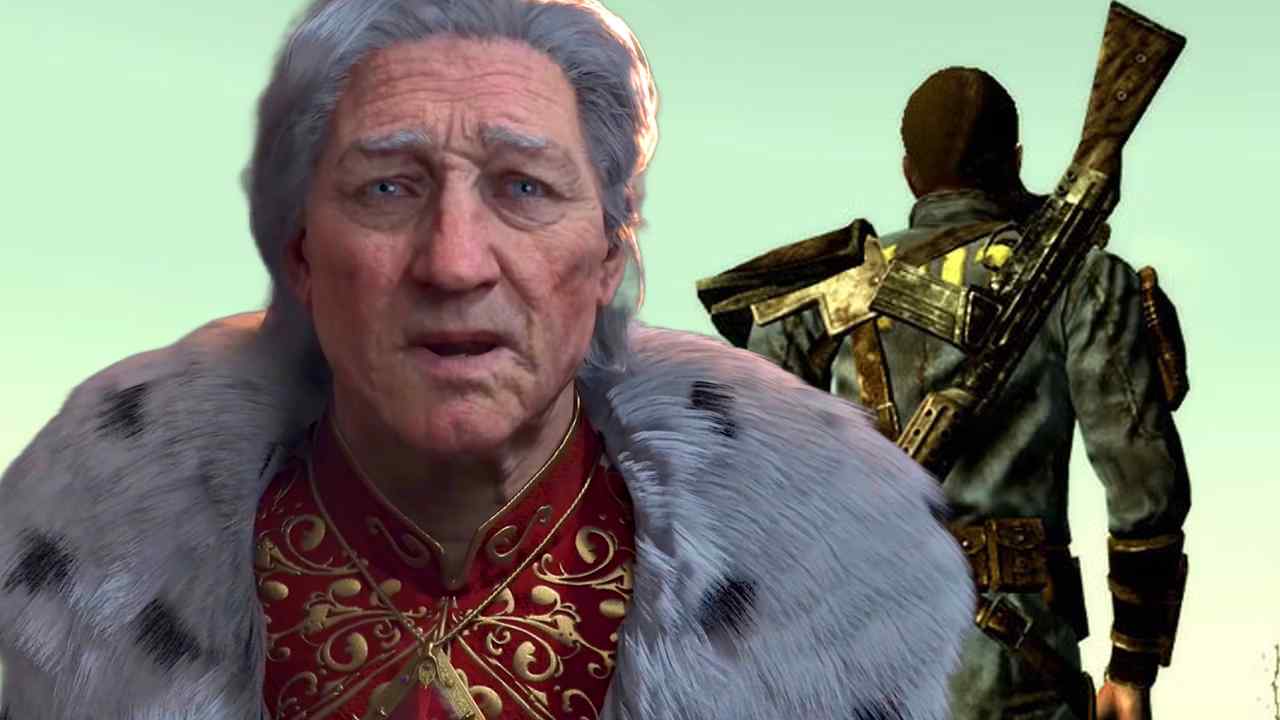
With this in mind, we’ll probably end up seeing a similar treatment to both Fallout 3 and Fallout: New Vegas when their often-leaked remasters finally release. Both Bethesda and Obsidian’s RPGs are filled with bugs and exploits, and it seems maintaining the bugs players grew up with while trying not to introduce any new ones is par for the course for Bethesda’s remaster projects.