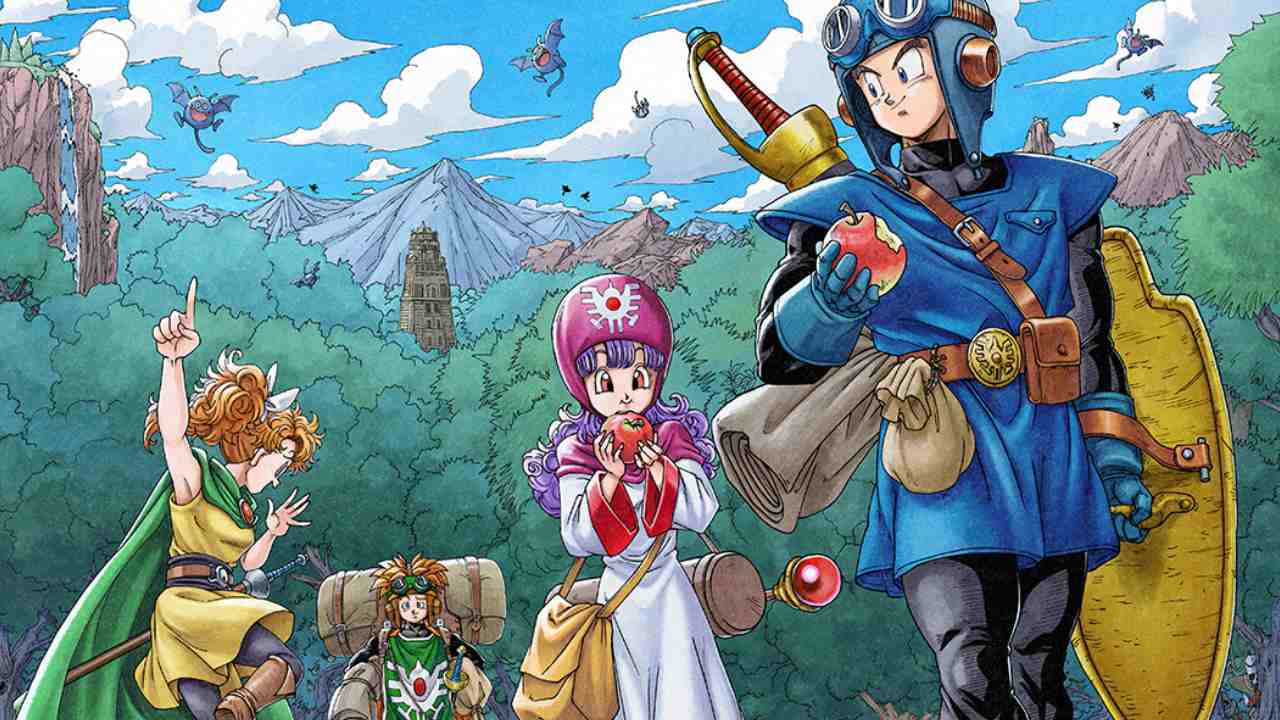
There’s always a remake. Whether it’s the billionth remake of The Amityville Horror—yes, there’s a new one coming—or a second redux of Halo: Combat Evolved, there’s always a new remake coming. While I have grown more tired of remakes lately, Square Enix’s Dragon Quest I-II HD Remake proves that not only do remakes still have their place, but they can be genuinely transformative.
Now, I’ve played the original two Dragon Quest games before, but I’ve never loved them. My adoration of the series begins at V, although I’ve now played every mainline entry in the series. It’s not that the original games are bad or even that they’re simple, but the clunkiness of navigation is something that I’ve butted heads with on replays.
Dragon Quest I-II HD Remake is a compilation of both the original game and its sequel, the remakes of which were preceded by Dragon Quest III HD Remake—a prequel of the original title. While many without any knowledge of the originals have looked at these new releases and deemed them to be just a new slap of paint, they are wholly metamorphic remakes.
If we bothered to do a Game of the Year article for the slew of 2025 bangers, Dragon Quest I-II HD would have been my pick for the crown. It’s not just a remake; Square Enix and Artdink’s take on the original duology is so expanded that they’re essentially original titles, and they’re largely not given that credit by onlookers.
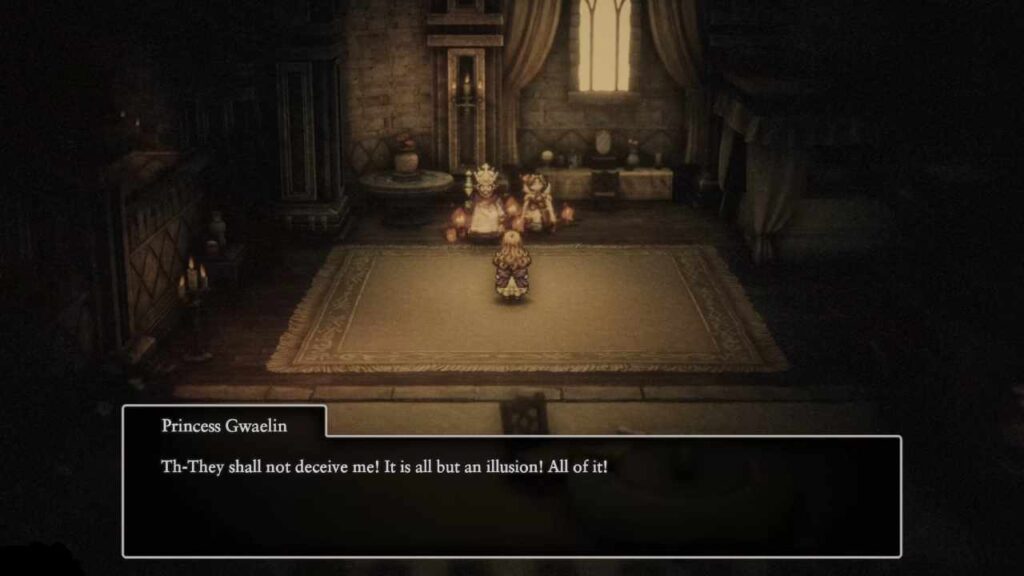
Even better, the duology offers two completely different styles of gameplay. The original Dragon Quest is largely a singular experience with a single party member. It requires you to think in a completely different way than most turn-based RPGs. The game’s protagonist is a silent one-man-army, and it’s very satisfying to tactically work out when to buff yourself, when to heal yourself, and when to actually go for the kill.
While it may tell a very simple fantasy tale, this new version does so with a lot more depth than you’d expect. You learn a lot about this world, and the characters within it. The original one-dimensional Princess Gwaelin is now a fantastic companion with her own voice lines and traumatic scenes that show that the main character is not the only strong one in this journey.
On the other side, Dragon Quest II HD Remake gives you a full party of characters to use, offering the now traditional DQ gameplay style, but it does so with modern storytelling sensibilities. These characters are now actually characters with distinct personalities and additional dialogue that expands them without needless fluff.
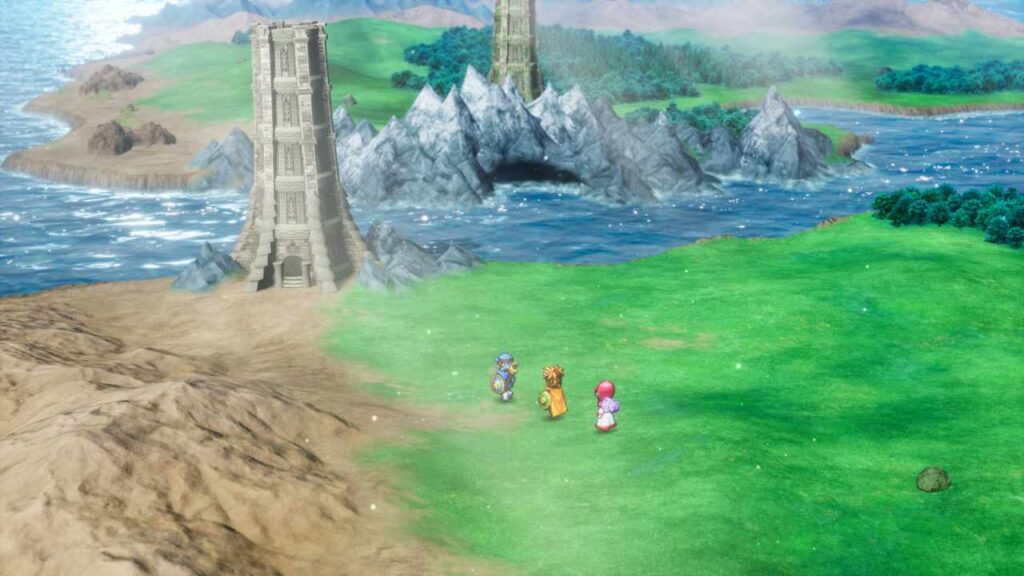
Both of these games largely tell the exact same story as before, but they do so with the level of quality that modern games allow. This time, they’re not limited by cartridge memory space and archaic character limits. The games can look as beautiful, sound as beautiful, and play as beautiful as we all imagined they used to.
Both of these games work together in tandem to create a fantastic redux of the series’ original games in a way that few remakes manage to do. For me, they are my replacement for the originals, but they also aren’t their originals. They are endlessly faithful re-tellings, but they’re feel often entirely new.
The best part about the latest Dragon Quest remakes is that they aren’t afraid to modernise and change. Square Enix’s upcoming Dragon Quest 7 Reimagined is the same way with a gorgeous new visual style and gameplay cuts to improve the game’s rather horrid pacing. Too often today, directors and game directors get worried about changing things and upsetting hardcore fans, but that’s what keeps the originals relevant.
Simply retooling a game to look nicer while playing the exact same content in the exact same way—a la The Last of Us Part 1—is a waste. The original still exists and it largely plays the same. However, taking that original, rewriting it, restructuring it and even reworking its fundamentals leads to an experience worth trying whether you loved, hated, or simply didn’t vibe with the original. At the end of the day, that’s the point of remakes, and that’s what Dragon Quest I-II HD Remake actually does.
As a huge fan of the Halo series, these are lessons I hope Halo Studios’ upcoming Halo: Campaign Evolved will do. While that series is constantly slathered with mindless discussions about the use of sprint or the placement of a tree, the point of a remake isn’t just to look prettier, and more companies should be looking at Square Enix’s example to see what a remake should actually be.
Series creator Yuji Hori has confirmed that additional Dragon Quest remakes are in development, which could mean by beloved Hand of the Heavenly Bride will get a gorgeous HD-2D overhaul. (Or DQIX could be freed from Nintendo DS jail.) Whatever comes next, Hori has already proven that they know exactly how to treat DQ remakes. After all, they’ve been doing it for decades.