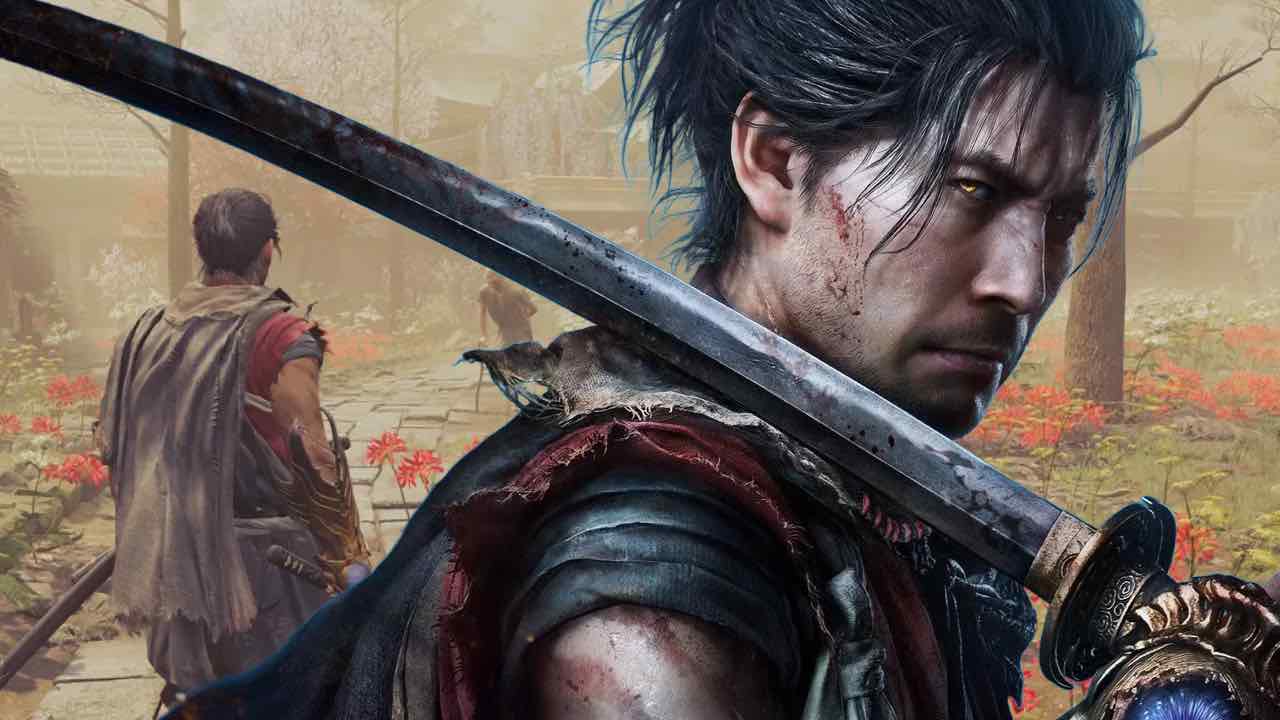
Capcom’s Onimusha: Way of the Sword is possibly one of the most satisfying action games ever constructed. Every hit is perfectly weighted, every parry satisfies as swords grind like a high-speed train close to derailing.
While combat is paced expertly, Way of the Sword’s structure certainly is not. At one point, you could imagine that Capcom’s latest Onimusha was a slick 10-hour linear adventure through some of the best designed levels and most bombastic boss fights in action game history. Unfortunately, there’s Kyoto.
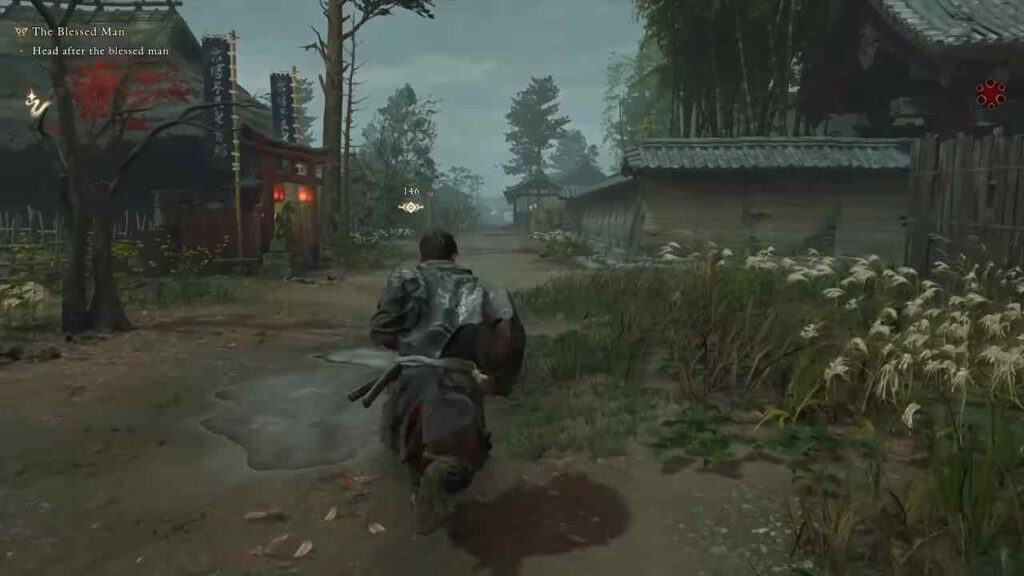
After a brilliant introduction, Onimusha: Way of the Sword slows down as you arrive in Kyoto, introducing you to a sprawling city filled with side quests, crafting items, unlockables, and other guff. It’s essentially an Assassin’s Creed Shadows city designed to extend Way of the Sword and grind the rapid, heart-beating pace to a severe halt.
All of a sudden, the brake-less bullet train of Onimusha’s levels is trapped behind another train before it can enter its next station. While Kyoto does have a narrative purpose for main character Miyamoto Musashi—it connects him to other characters and serves as a hub for upgrades—the activities around Kyoto are seemingly opposed to the frantic nature of its combat.
As Onimusha continues, you will spend multiple hours traversing through the city, and you’ll return at multiple points to continue grinding for items and upgrade materials. Even Kyoto’s construction is at odds with other areas of the game with winding paths and items hidden in nooks swapped out for a block like city that can be sectioned away in oftentimes frustrating ways. At first, it’s an interesting pace changer, but it does feel like an area where many will drop off, especially as it’s introduced so early.
Interestingly, though, Onimusha: Way of the Sword’s Kyoto is not just diametrically opposed to the design principals of the game it’s in, but very much opposed to the design of most Capcom games since the start of the PS4 generation. While Monster Hunter games are largely designed with fluff in mind, the majority of Capcom’s output since 2017’s Resident Evil 7 have been designed as lean, clean experiences.
Resident Evil Requiem, for example, could be seen as having its own version of Kyoto in the bombed-out husk of Raccoon City, but that section is graciously slim compared to the multi-hour slog that is Kyoto. That’s not to say Kyoto in itself is entirely bad. The city itself offers some fun story moments, and the boss fights within are as great as the rest of the game’s, but it just doesn’t hold a candle to the linear, more cinematic moments Capcom has designed here.
For some, the fact that Kyoto means that Onimusha: Way of the Sword simply has more content to offer may be a plus. Unfortunately, for some, it may also seem like content for content’s sake as you trundle down long empty streets and slice through the same group of respawning foes every few metres.
If anything, Kyoto seems like a last ditch effort to make Capcom’s game feel more worthwhile, but I feel it takes away from a part of gaming that Capcom excels at compared to the rest of the industry: re-playability. From Resident Evil to Pragmata, Capcom’s output is fine-tuned for multiple replays, but I simply would not want to replay Onimusha: Way of the Sword with Kyoto in place. If the option was there, I would simply skip Kyoto in successive replays. It’s not that it adds nothing, but what it does add is not worth the time you spend within it, or the time it takes away from the game’s strongest moments.
At the very least, Kyoto doesn’t entirely ruin the brilliance of what Way of the Sword offers outside of it. What’s present and waiting for you as you divulge back into the game’s linearity is undeniably some of the greatest virtual swordfighting you’ll ever participate in. In fact, directly after the first Kyoto section is one of the greatest levels in Capcom history as you explore a horrifying mansion filled with mutated creatures.
That means to say that Kyoto is the unfortunate low point of Onimusha: Way of the Sword. Many players will fall off. In fact, it would not be surprising if many long-time fans of the originals will look at this and believe the level-based nature of its first few levels is gone. When you arrive at Kyoto, it gives off a vibe that this is the game now, slowly traversing city streets and clearing areas, but Way of the Sword has a lot more classic gameplay to offer once you push through. (Oh, and while I’m at it, please play this game with the Japanese dub.)