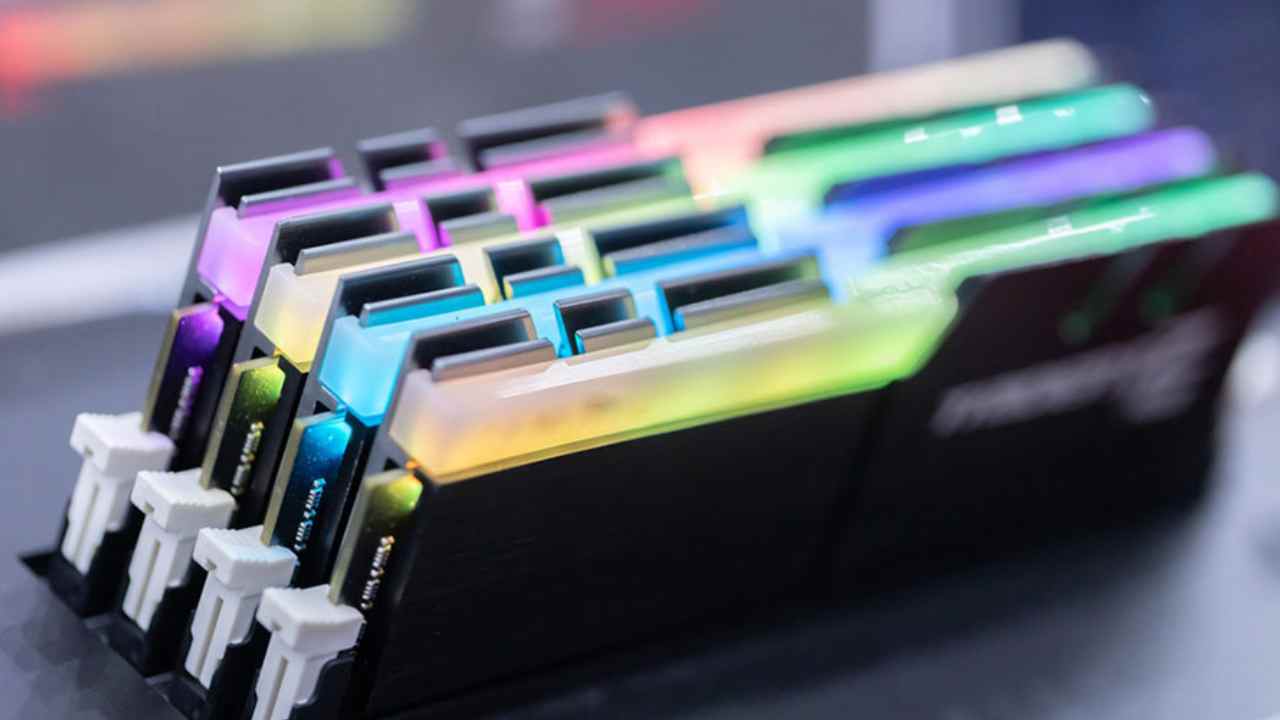
The ongoing RAM shortage is set to continue throughout the entirety of 2027, says Micron.
As existing hardware like Valve’s Steam Deck sees massive price hikes, and new machines like the MSI Claw EX AI+ launch at $1,800, the global RAM shortage has devastated commercial hardware.
As the price of memory skyrockets to 400% over this time last year, Micron expects demand to stay tapped out for the rest of the year.
Speaking in a recent earnings report, thanks IGN, Micron CEO Sanjay Mehrotra explained that AI demands aren’t set to lessen anytime soon. Micron famously turned away from commercial RAM and storage last year to focus supply on industrial datacenters.
“We expect tight conditions to persist beyond calendar 2027 as a result of AI-driven demand across all segments coupled with structural supply constraints,” the CEO told shareholders and investors.
With that said, Mehrotra does expect a rise in supply by 2028. As the industry shifts to larger production cycles to deal with the demand, more available memory should result in slightly lower prices. However, it’s not known if prices will return to their pre-2026 state.
“Even as we expect industry supply to improve gradually in 2028, we currently do not have line of sight as to when memory supply will be able to catch up with increasing demand,” he continued.
The ongoing RAM shortage has seen many projects ravaged. Valve’s Steam Machine is now launching at a price of over $1,000, hundreds over its original price point. Additionally, handheld companies like AYANEO have claimed that the PC handheld market is now unsustainable due to the rapid rise in price for components.
This has also led to worry about the next generation of gaming. With newer hardware in the works at Nvidia and AMD, there’s a worry that the ongoing 8GB GPUs, which have been an issue for many this generation, will continue into the next generation albeit with improvements to bandwidth in order to save costs.
On the console side, the next-generation PlayStation 6 and Xbox Helix consoles are expected to cross the $1,000 mark, especially as the currently-available PlayStation 5 Pro retails for $899.99. With this in mind, if prices stay high, this generation of hardware could see a vast extension in life, similar to the 13-year stint of the Xbox 360 and PlayStation 3.