Godzilla PS4 is almost abysmal. As a game, it’s shockingly simple. At times, it almost feels like the kind of tech demo experience that you’d play on the original PlayStation, boasting about how many buildings the game can render.
Released in 2014, this expanded version of the even worse PS3 game Godzilla Vs features a basic branching campaign where you pick a monster, destroy buildings, fight other kaiju, and do it all again until you can’t be bothered anymore. Every time, you’ll earn resources to power up your giant monsters or unlock others to play as, and it’s largely dull.
While a lot of people out there like to look at games in the worst possible light, I’m of the complete opposite opinion. Every game, no matter how bad, usually has at least one redeeming feature. MindsEye, one of the worst-rated games of last year, was slammed for its poor mission design and technical issues, but it did have some strong acting and a very well designed world. (Introducing a map would’ve been a pretty bloody good idea, though!)
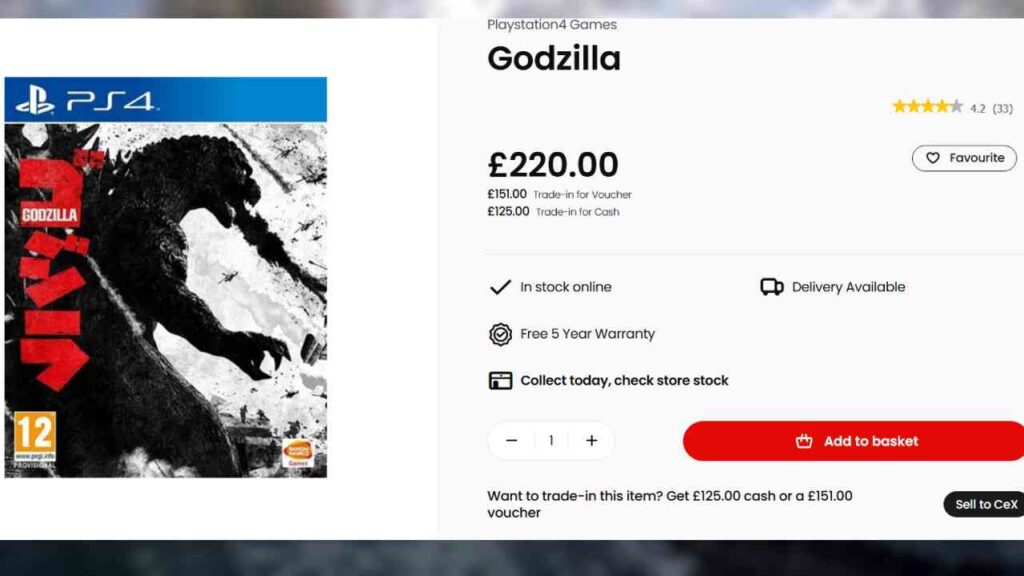
So, why do I like Godzilla PS4 so much? As the headline states, it’s one of my favourite games, and that’s true. As someone who bought the game for £9 bundled with Driveclub at GAME in 2016, I’ve definitely poured more hours into the game than many who have decided it’s worth spending over £150 on the game just because it’s “rare”.
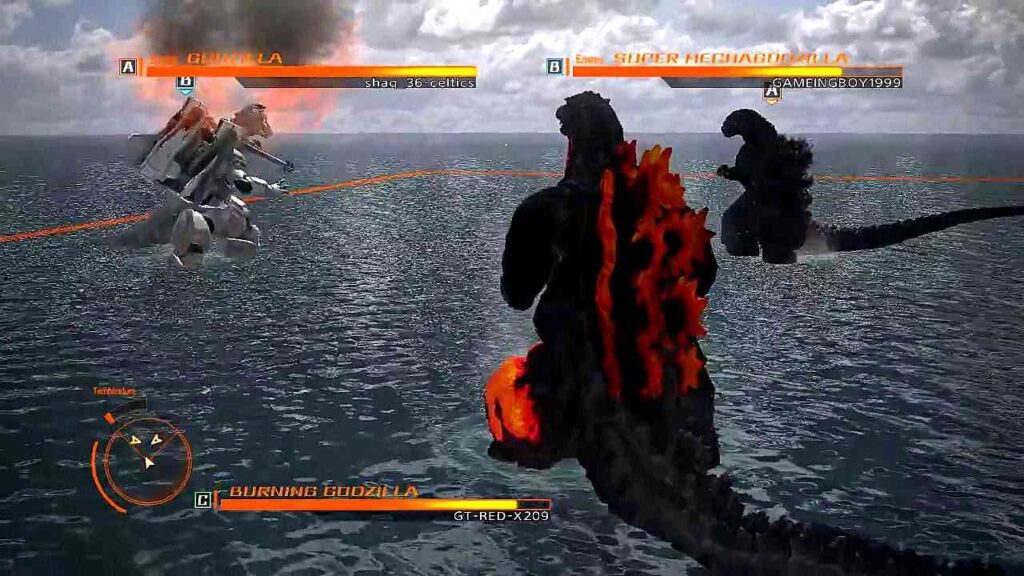
Really, my attachment to the game is twofold: 1) There are very few, if any, kaiju games that focus on just wrecking a city; 2) For all of its faults, Godzilla PS4 actually makes you feel like you’re playing as the movie incarnations of the characters you’re controlling… even with the game’s bastardised control scheme.
The draw of the game, for me, is that you don’t really feel like you’re playing as the kaijus a lot of the time in Godzilla PS4, but instead you feel like you’re playing as the man in the suits. Everything looks like a miniaturised film set with the destruction effects replicating the same flash and bangs as Showa and Heisei-era films. The characters themselves are faithfully modelled of those costumes with the hilariously silly Jet Jaguar – the true hero – looking exactly like his foam-rubber costume down to the ridges on his thighs.
It’s clear that this was the developers’ intention from the start. Mecha-King Ghidorah flies around like he’s attached to wires with his plastic wings slowly flapping; Hedorah’s stiff latex frame slowly skulks across the battlefield. It’s the perfect replication of the feel that a classic Godzilla movie set would have, but it’s not the pulse-pounding action those movies are edited to become.
Godzilla PS4 is a game that exists on its own plane of sanity. None of the decisions made for the game feel like the right ones. Its controls actively fight what modern games play like, and its mission design is so archaic you have to wonder if anyone on the team played a game released after 2001, but it’s also endearing in a way that few games really are. There’s a charm about it, and I’ve never been able to get rid of my copy, even when I’ve been in some real financial holes.
As we endlessly wait for another Godzilla console game, which will most likely end up being some kind of fighting game, this PS4 game holds a very special place in my heart. It’s a rain-soaked love letter to the movie-making world of old cinema, and it’s bursting at the seams not due to its technical incompetence, but also because of its love for its source material. Hell, I would take this whole game again with new monsters just to see how they would look running (or stomping) around the game’s sound stage-like environments.