Stalker 2: Heart of Chornobyl was a brilliant but broken game when it launched. Built on a very early and non-performant version of Unreal Engine 5, the long-awaited sequel was a underbaked, a little busted, and lacking some key Stalker features.
Launching alongside the new expansion Cost of Hope, Stalker 2’s new 2.0 update is a transformative experience. While not every change is for the better, the move to a new version of Unreal Engine 5 has essentially remastered an already gorgeous open world survival game into the thrilling excursion it was always meant to be.
I’ve spent about a week playing through Stalker 2: Heart of Chornobyl’s 2.0 release, albeit a slightly earlier version that will likely be patched on its real launch. I was, once again, sucked into the world of The Zone, so much so that I spent this entire review period replaying the base game and not playing Cost of Hope.
As someone who fell in love with Stalker 2 during its original review period, which is the most busted period the game ever saw, it’s new release is radical. First off, there’s performance, which has been greatly improved, although there are still some heavy scenes that can see a drastic dip in overall framerates.
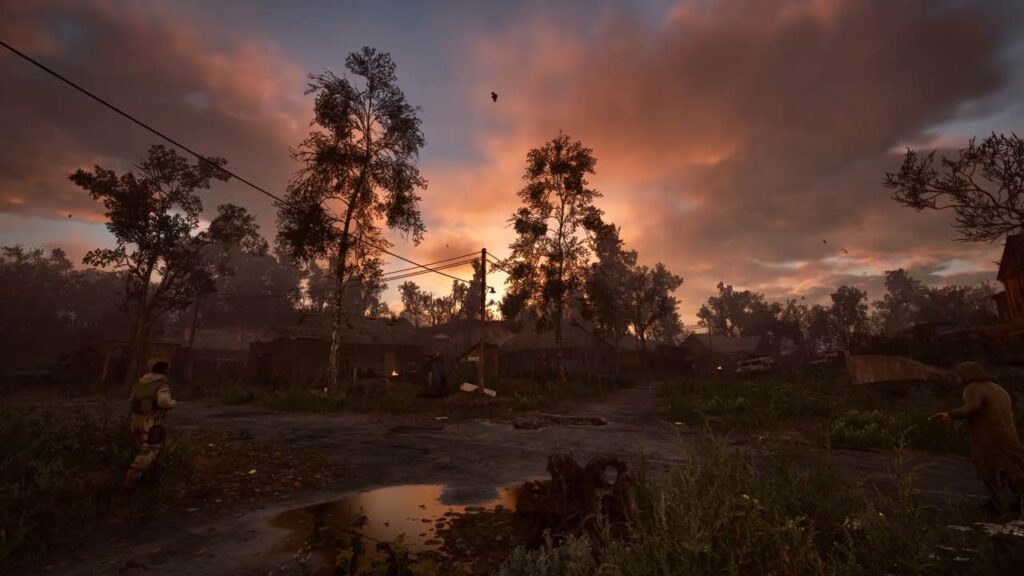
Most importantly, though, the vibe of Stalker 2 has shifted in subtle and not-so-subtle ways. For example, binoculars are back and they’re given to you at the very start of the game. Whereas in original Stalker 2, you could only scope out an area with a gun’s scope—often forcing you to carry a long-range weapon at all times—you can now survey every area properly at all times.
Combined with an improved version of the game’s NPC A-Life system, which has increased the bubble in which events spawn, the pace of Stalker 2 has somewhat changed. With that said, A-Life still isn’t perfect with the bubble seemingly capping out at around a five-minute sprint from where you are. Reloading a save and running to an area you were in may now be populated in a large-scale gunfight, which does break immersion when you know those characters weren’t walking there before.
On the other hand, NPC behaviour is certainly more realistic. In my recent playthrough, enemy soldiers were far more tactical than they were in the game’s original release. In one scenario, I was pinned down behind a truck with multiple enemies advancing. While they pushed towards me, another enemy ran up into a watchtower to flank me. It was exhilarating!
Even outside of combat, NPCs are more lifelike. You can follow NPCs for hours, watch them set up camps and talk with one another. They can loot the environment around you and are frequently flanking each other when you spot two rival groups fighting each other. A-Life 2.0 still feels like it kicks in too close every now and again–especially if you’re reloading saves–but it’s substantially better than it was before.
Stalker 2: 2.0 also introduces dynamic fog that actually has an effect on gameplay. When thick fog appears, visibility goes straight to hell for both you and your enemies. While some mutants seem largely unaffected by the fog, rival stalkers are, and it can lead to some incredibly tense battles. It’s a great addition—one that’s much more impressive than the underwhelming Bloodsucker variants that have also been added—and these dynamic world events are core to the experience of Stalker as a whole.
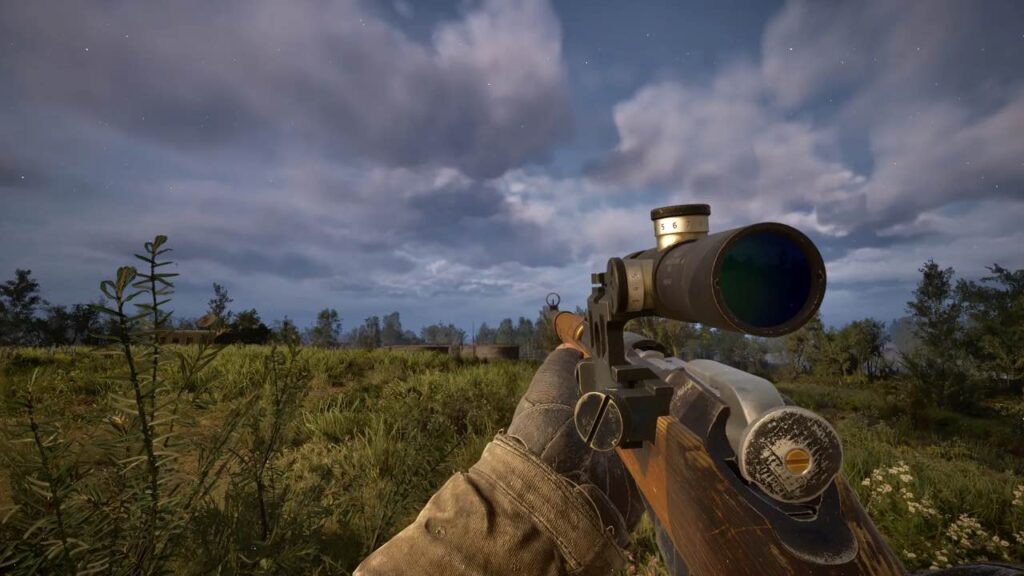
What may prove more controversial, though, is the shift in aesthetic with the new release of Stalker 2: Heart of Chornobyl. With the new engine update, GSC Game World has also changed the look of the game. Some of this is undeniably fantastic: foliage is denser, objects are grounded, and lighting always feels realistic. Sometimes, in the roiginal release, the lighting inside wouldn’t feel all that dark, making the flashlight useless. That’s no longer the case.
All good, right? Well, there’s one issue, and it’s a subjective one, and one that will unlikely be modded: the colours. Stalker 2: Heart of Chornobyl saw nature fighting back to claim the zone while also being irrefutably hurt. The greens were muted, brown shades overtook. There was a sense that The Zone had been dulled.
With Stalker 2: 2.0, colour is everywhere. Greens are vibrant, The Zone is alive. It’s a different vibe, and it’s not a bad one. Like I said, it’s entirely subjective, and maybe my criticism suffers from my prior attachment, but it does feel different in a way I would not have chosen.
Nevertheless, the pros unquestionably outweigh the cons when it comes to this new version of Stalker 2: Heart of Chornobyl. For all intents and purposes, it feels like the version of the game the team wanted to make all along, and It plays as well as you’d hope.
There are some minor issues that still persist, there are also other bonuses and fixes I’ve not listed here, but Stalker 2: Heart of Chornobyl is a brilliant game. Whether or not its modernisms give you the same feeling Shadow of Chernobyl gave you almost 20 years ago is a different discussion altogether, but Heart of Chornobyl is a game I thoroughly adored and love even more so now.
Even in its worst state, Stalker 2 made its mark on me as one of the best games of the generation. This update only seeks to improve and nearly always does. If you’ve been holding off on picking the game up, now is the time. If you’ve been waiting to jump back in, well, you’re bound to be pleased.