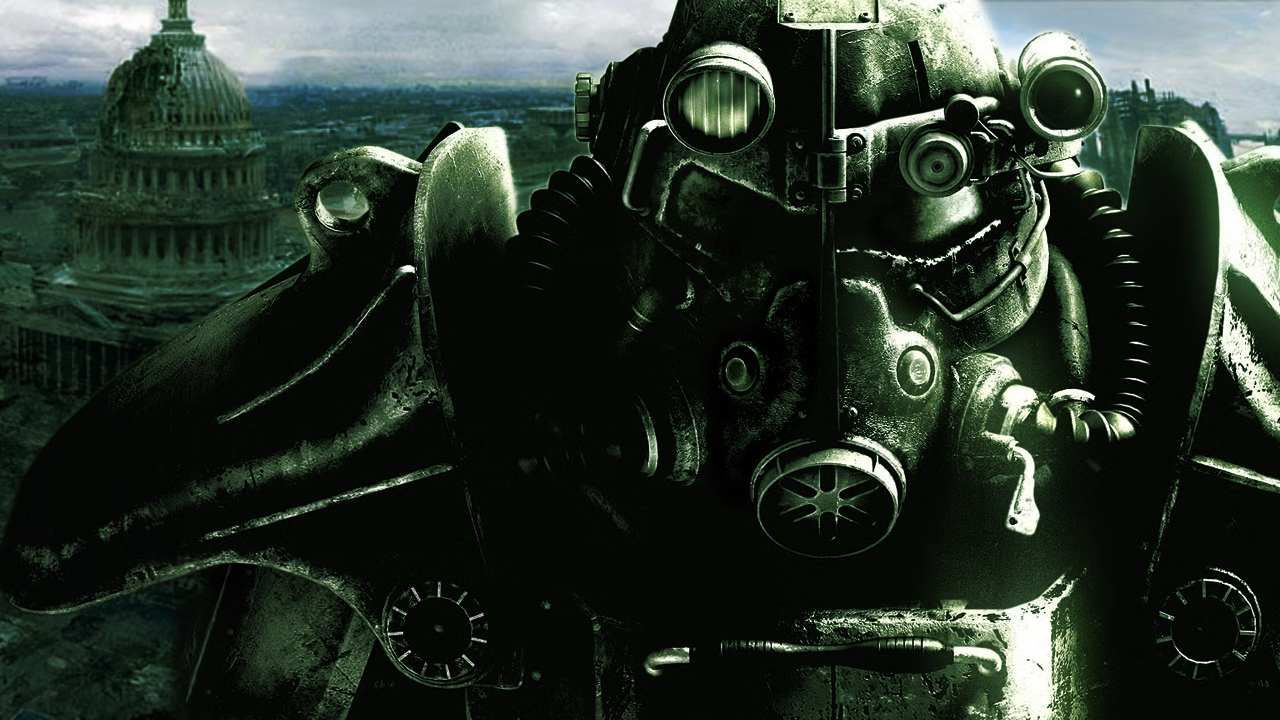
When Fallout 3 hit in 2007, it felt like a game changer. While hardcore fans of the original games still had gripes with the new entry, Bethesda’s first-person take on the franchise was a large smack of fresh air that felt like a true next-step for Interplay’s iconic series.
While Fallout 3—and then Obsidian’s New Vegas—have been praised as some of the best RPGs of their time, Fallout 4 and Fallout 76 has seen more intermittent praise. Yes, Fallout 4 has some great quests and strong gunplay, but its heavily cut-back RPG elements led to a more underwhelming game for some players.
In an interview with GamesRadar, Fallout 3 and Fallout 4 lead writer Emil Pagliarulo explained that Bethesda was incredibly nervous when working on its debut Fallout game. Coming after The Elder Scrolls IV: Oblivion, the new game was taking a beloved IP and turning it into something brand-new but still canon, and the team wanted to honour the past.
“The big thing about Fallout 3 was it’s this transitional game,” the writer explained. “It was the first Fallout we had done. So we wanted to make sure we were really honouring the legacy of the franchise and those earlier games. We owned it, but owning a franchise and an IP is different than feeling like you own it creatively.”
After finishing Fallout 3 and seeing the reception from critics and fans alike, Pagliarulo explains that it was easier to take more decisions over what Fallout should be, which led to the creation of Fallout 4. Still the latest mainline game in the series, the game came with a lot of new ideas, which Pagliarulo explains came from a reduced need to be “so reverential” about what came before.
“I think by the time Fallout 4 came around we felt more comfortable with like okay, ‘we don’t have to be so reverential now, it’s not all nostalgia, we can create some new stuff’” the writer said.
While this means that the team can take more liberties with the gameplay content of Fallout and the direction its story can go, Pagliarulo explains in a separate article that there is still a core to the series that shouldn’t be ignored in any entry. That core is the fact that, unlike Bethesda’s Elder Scrolls, “there are a lot of shades of grey” in the world.
“I think in Fallout 4, especially with the Brotherhood and Institute, no matter what they do, you have to sit back and go ‘maybe they have a point’. Are the synths [at The Institute] just really toasters? Are they just machines? We created them, do they deserve to have freedom? The Brotherhood is a bunch of hard asses, but does humanity really deserve to be in control of this technology that they are clearly not using responsibly?” he asked.
With Fallout 5 not expected to start active development until after the release of The Elder Scrolls 6—which itself won’t release before GTA 6—it’ll be a long time until fans get to play the next mainline game in the series. Although Bethesda boss Todd Howard knows fans are disappointed at the lack of a new mainline game, it seems that fans will have to settle for the years of additional Fallout 76 content in the works.
With all that said, as a Fallout fan myself, of the Bethesda games and the originals, maybe a little bit of that old-fashioned reverence would do well for the next game. After all, Fallout is an RPG series, and I’d very much like to see more RPG in my RPG. (And I’m not talking about Rocket-Propelled Grenades, although they should be there also.)