The games media landscape has been shattered over the past two years. Changes in Google’s algorithm has seen sites kicked off Discover and Google News—main traffic sources for many sites—and AI overviews have taken valuable traffic away, such as release date hubs and other search queries.
Right now, there’s a culling of games media. The end of 2025 saw Valnet, one of the largest games media companies, gut entire teams from websites. Just this week, we’ve seen mass layoffs across Future with games teams from websites like Windows Central largely cut outside of big tentpole names.
Across the games media landscape, for many years now, the layoffs have been thick, fast, and largely silent. For every Gfinity firing the majority of its workforce, there’s a slew of writers being shuffled out of Dexerto, or Screenrant, and others. While it’s been rough for games media to keep up with an increasing workload with less staff, it’s also hurting PR, the often unseen cog that keeps games discovered, keeps developers talking about their games, and keeps the developer-press relationship bolted together.
Speaking to FRVR in a recent interview, UberStrategist PR founder Mario Kroll and director of client services Alyssa Sweetman discussed the mass layoffs hitting the industry right now. While many online may not believe the importance of games media in the success of many games, PR companies like UberStrategist are the unseen whisperers that help the discoverability of many titles, and it’s becoming increasingly harder to push games out when the manpower to cover them is significantly plummeting.
“We used to have a press list of over 10,000 people when I first started the company. I think now we’re like down somewhere between the 6 and 7K [mark].”
UberStrategist PR founder Mario Kroll
Kroll, who started in games PR almost 30 years ago, explained that there are now more games than ever before, and getting those games to the right audiences is becoming harder and harder. For decades, the conveyer belt of coverage has been the same: a developer works with PR, the PR finds the right editors and influencers that match the game’s vibes, the editors and influencers speak directly to that audience.
“Yes, it’s a lot harder now,” Kroll explained. “And there’s many factors, right? Having more games, the barrier to entry to making a game, you know, one person can be a developer, publisher, or you can have a AAA studio, and they all compete for attention. There’s so many good games that, unfortunately, through a number of like mishaps, missteps, and just bad luck never really get a lot of traction and just get missed completely.”
Kroll explained that UberStrategist PR has a press list of “over 10,000” when the company opened in 2014. Now, 12 years after with mass layoffs, closed sites, retirements, and more, “we’re somewhere between the 6 and 7K [mark]” From the outside looking in, that’s still a lot of editors and a lot of influencers to focus on coverage, but as Google algorithms and AI overviews wrench the revenue away from enthusiast sites, more specific groups are disappearing.
“There’s been a significant attrition of the amount of people that cover games,” they cotninued. “And so when you have an organisation [that] have fewer staff member that are being asked to review all these games, they’re now looking for quick-hit articles, maybe listicles, things they can do quickly. Those days of where you can spend 120 hours or 200 hours finishing a game and then writing the review are really far and few between.”
Often-times, the importance of getting a game into the eyes of the public via games media is getting it into the right editor’s hands. This small website might do 5% of the traffic of IGN, but that traffic is laser-focused on this particular type of game. While a mainstay, flagship games media site has more eyes on it at all times, a Warhammer fansite will always be better for selling a Warhammer game.
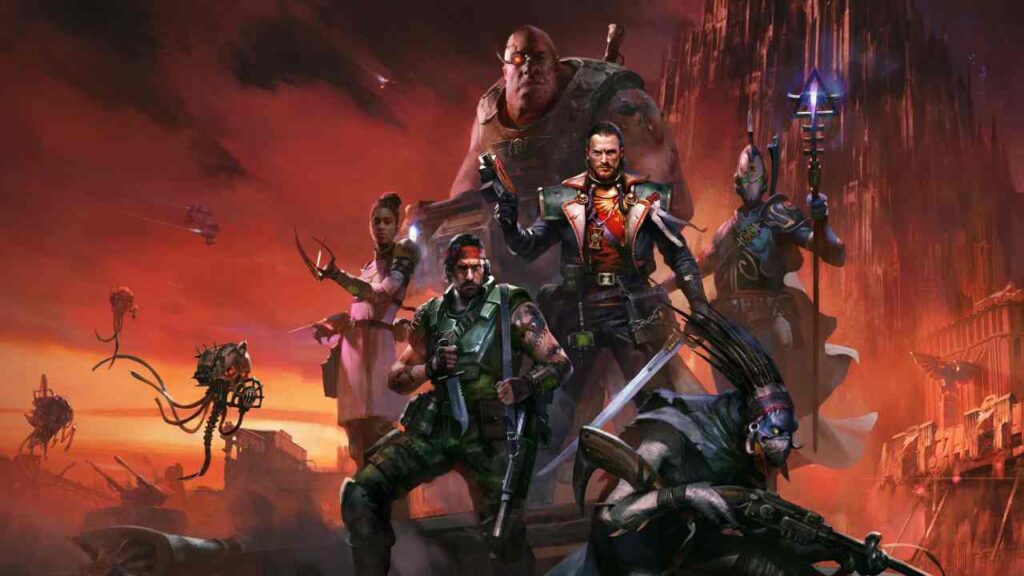
For years, these people existed at games sites: RTS experts, Gacha game experts, horror game experts. Unfortunately, with the large swathes of layoffs hitting games media, those specific roles are less inclined, which not only leads to poorer coverage, but also makes it harder to put the games into the right writer’s hands who knows what actually makes it special.
“There’s still great people,” Kroll said of the remaining games media landscape. “I think of, like Charlie Hall, who I’ve always respected at Polygon, and he headed up their tabletop [coverage] and we do a lot of business with tabletop clients. And he was a great source to go to when he did an exclusive unveil of a new tabletop game. It was always top-notch coverage, and to see somebody like that effective leave the industry, or that side of it, is, you know, we’re very symbiotic with the press, and we do feel that pain when outlets disappear.”
Kroll explained that the “saving grace” of the currently elimination of many games media sites is that a lot of journalists aren’t just disappearing. Many are starting their own blogs: some have even started their own magazine-like physical journals in the form of teams like Lock-On. There’s a strong continuing spirit in the games media landscape to simply keep covering games as it’s a career brimming with talented writers who truly care about video games, no matter what groups online claim.
As well as the structure of games media changing—many long-form interviews are now chopped into several short-form articles or lines as attention spans simply aren’t long enough for readers—that means the push from PR is now different. A game can no longer be talked about once and then release, it needs to be beaten in with various opportunities to talk about a product to actually build hype.
“We’re being marketed to everywhere we go all the time,” Sweetman told us. “It used to be, you had to see a product 7 times before you were primed to buy it. Because of short-form content and the nature of how we dissociate when we swipe up and how we get spoon fed the content, it’s now upwards of 15. So, I think, we need, as an industry, need to realise that we need to do a little more planning.”
The truth is that games media has always been changing, but recent changes have come fast and hard. A lot of writers have gone, the space has been ripped apart, but there’s also a large amount of creators moving around and finding their own niches. We see this in the influencer space both in games and out of games; how many Linus Tech Tips hosts have left to form their own spaces, for example?