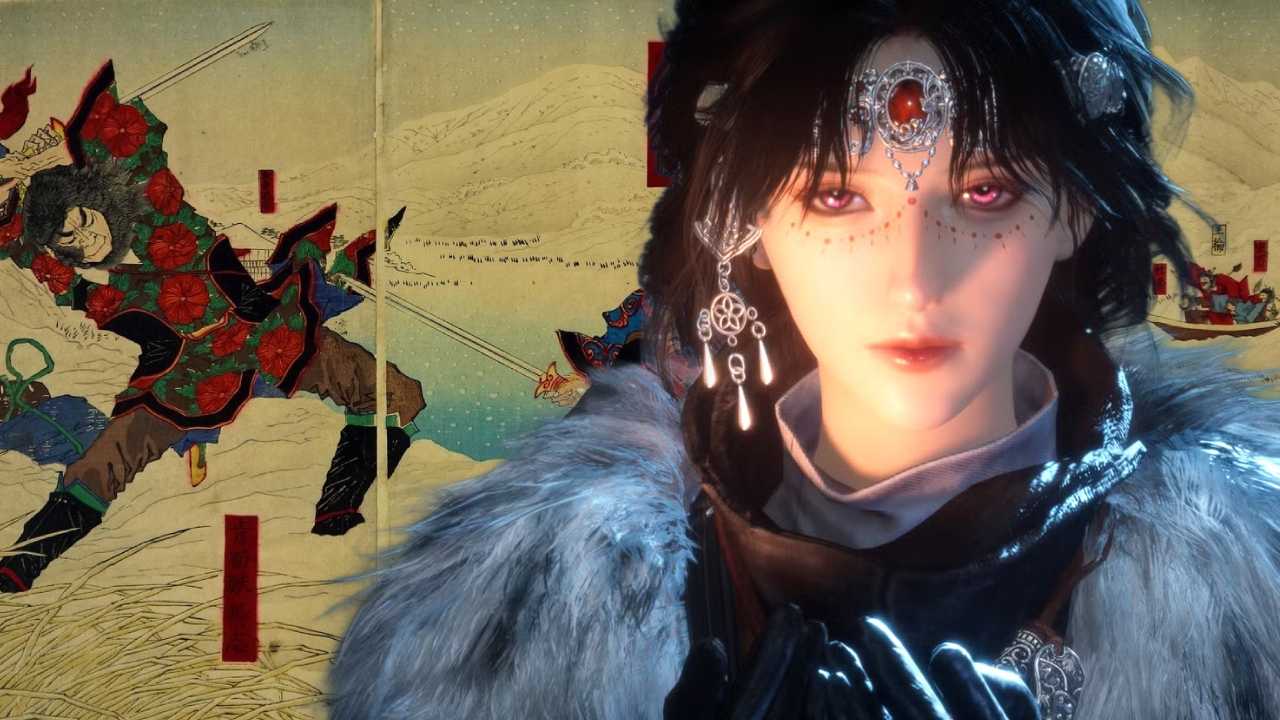
Where Winds Meet may already have attracted millions of players, but the team is not stopping there. While they’ve succesfully built the game on foundational elements of the genre, the hope is that their creation can help the Wuxia genre ‘find new life’ and build on the groundwork laid out by works in films, TV dramas and novels.
The open-world game is heavily based in a modern interpritation of Wuxia, a genre of Chinese fiction that follows powerful, chivralous martial artists in legendary adventures. While England has Arthurian legends and tales of knights, Wuxia is the foundation of many classic Chinese literature, including the inconic Journey to the West.
Speaking to FRVR, Beralt Lyu, Lead Producer for the game, explained that while they have ensured the ‘spirit of Wuxia’ is present in Where Winds Meet, they’ve focused on ‘significant innovations’ to create an eperience that feels ‘both familiar and fresh’.
“The creative process for Where Winds Meet was indeed influenced by the rich legacy of Wuxia, though this influence is more about inheriting a cultural DNA rather than directly adapting specific stories,” he said. “While we carry forward the classic spirit of Wuxia, we’ve also focused on significant innovations. A key example is our choice of the Five Dynasties and Ten Kingdoms period—a tumultuous era less frequently explored in the genre. Through a grounded depiction of the martial world and modern game technology, we aim to offer all players an experience that feels both familiar and fresh.”
“The themes at the heart of wuxia—growth, chivalry (Xiáyì), courage, and consequential choices—are universal values that resonate deeply with audiences, whether Eastern or Western.”
Beralt Lyu, Lead Producer
While Where Winds Meet features Wuxia sections and unique combat abilities that many would have experienced before, Lyu explained that modern gameplay systems such as the vast open world help add a point of difference as well as helping the game resonate with new audiences and cultures.
“This isn’t a static homage; it’s about using digital technology to allow the wuxia spirit to continuously find new life and relevance across different cultures,” he said. “The genre itself has already captured a global audience through outstanding films like Crouching Tiger, Hidden Dragon, Reign of Assassins (Jianyu), as well as television dramas and novel. We firmly believe the themes at the heart of wuxia—growth, chivalry (Xiáyì), courage, and consequential choices—are universal values that resonate deeply with audiences, whether Eastern or Western.
A mobile version is set to launch on December 12, but don’t expect a meaningless port either.Lyu revealed that while the primary aim of the incoming mobile version is to provide ‘convenience’ for those who want to continue their story on the go, it also serves to bring the player deeper into the world.
He added: “Currently, we are still working on adapting to various mobile models around the world, and we hope that after the mobile launch on December 12th, more players can experience our game anytime, anywhere. What we want to emphasize is to stay true to what you want to create.”
Despite launching just a couple of weeks ago, Where Winds Meet has seen more than nine million people jump in and play the game – something Lyu said has ‘blown internal expectations out of the water. The team also explained why they opted not to use Unreal Engine to power Where Winds Meet’s graphics, opting instead for their in-house Messiah engine, which they beleived was better suited to realise their vision.