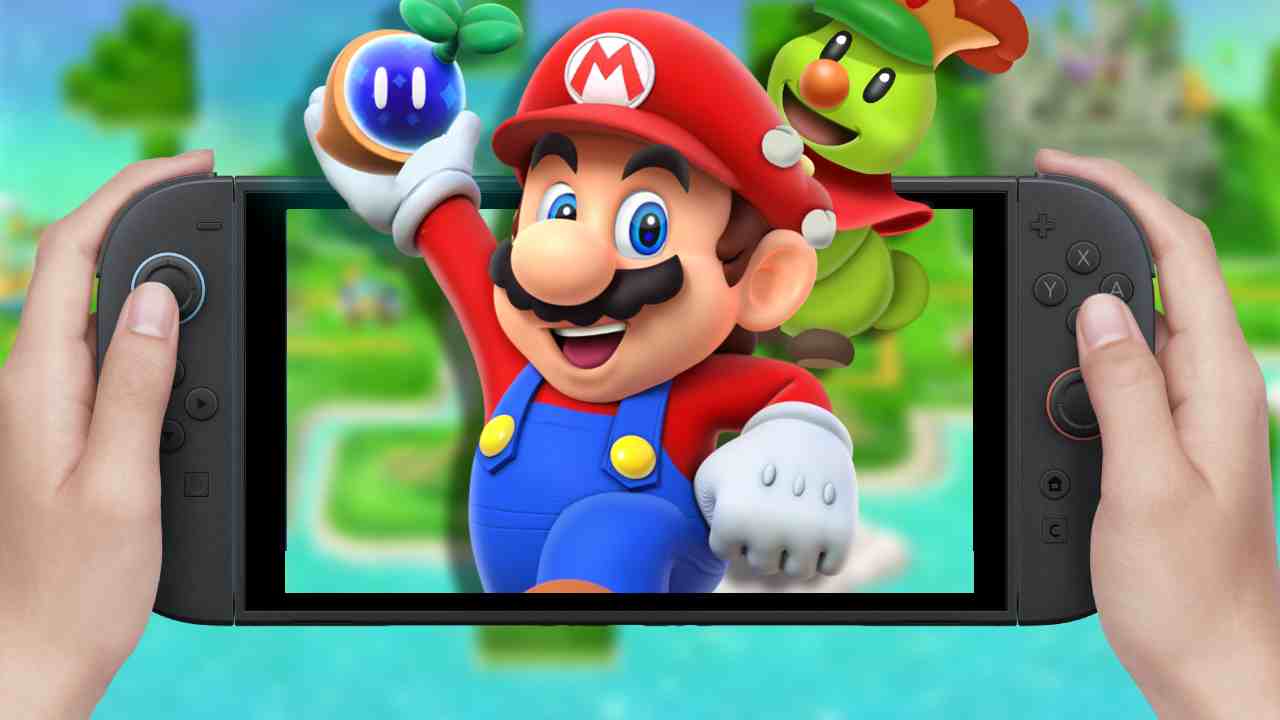
The release of the Nintendo Switch 2 has led to a surge in physical game spending. While the platform’s controversial Game Key Cards have caused ire from fans, physical sales—including GKCs—are incredibly high for a new platform.
According to Circana senior director Mat Piscatella, a renowned industry analyst, revealed that Nintendo Switch 2’s launch coincides with the first year-on-year increase in physical spending since 2009 in the United States.
The report explains that physical game spending increased by 2%, rising to $1.6 billion. Piscatella explains that the last time the industry saw this concurrent rise was back in 2009, although that year resulted in $11.5 billion in spending as digital game sales had not taken over the industry.
In a separate post, Piscatella explains that code-in-a-box releases in the United States, which GTA 6 will be on Xbox and PlayStation 5, have not sold particularly sold well. In 2026 so far, only 30 games that have released as code-in-a-box titles have sold “at least 1K units” at the time of writing. A total of 146 video games have released as code-in-a-box titles.
Despite the climb in physical game sales, Piscatella predicts that there may not be much of a physical games market left in ten years’ time. While Nintendo fans may keep physical media alive for future platforms, Xbox and PlayStation releases are expected to be phased out.
“The overwhelming majority of volume is done digitally now. The second hand market… doesn’t really matter,” he said. “More than half of all Xbox Series consoles in the US don’t have a physical drive, while over a quarter of PS5’s are the same. We likely have less than a decade left of physical software.”
In a further discussion with GamesIndustry, Piscatella explained that the shoot in sales of physical sales is “the Switch 2 bump”. He continued: “Physical software sales on Nintendo platforms are up around 26% compared to a year ago, but still down from the year ending May 2024 period.”
Unfortunately, he states that the rise in game sales, even on Nintendo platforms, is likely “a temporary blip” that will “bottom out”. Nevertheless, for now at least, there is a demand for continued physical releases, and with younger generations significantly pushing for more physical ownership, there is hope that physical games will continue in some form.