The video games industry is shooting itself in the foot, yet again. Alongside a new wave of layoffs just around the corner for Xbox, and likely others, PlayStation has confirmed that it will no longer be producing any physical discs for any games after January 2028.
For the remainder of the generation, the PlayStation 5 will no longer have any physical discs. With production ending, this means that PlayStation 6 will also have no physical discs. All future PlayStation consoles, until something changes, will no longer have any discs. But remember: it’s easy to close a production line, but much harder to open one.
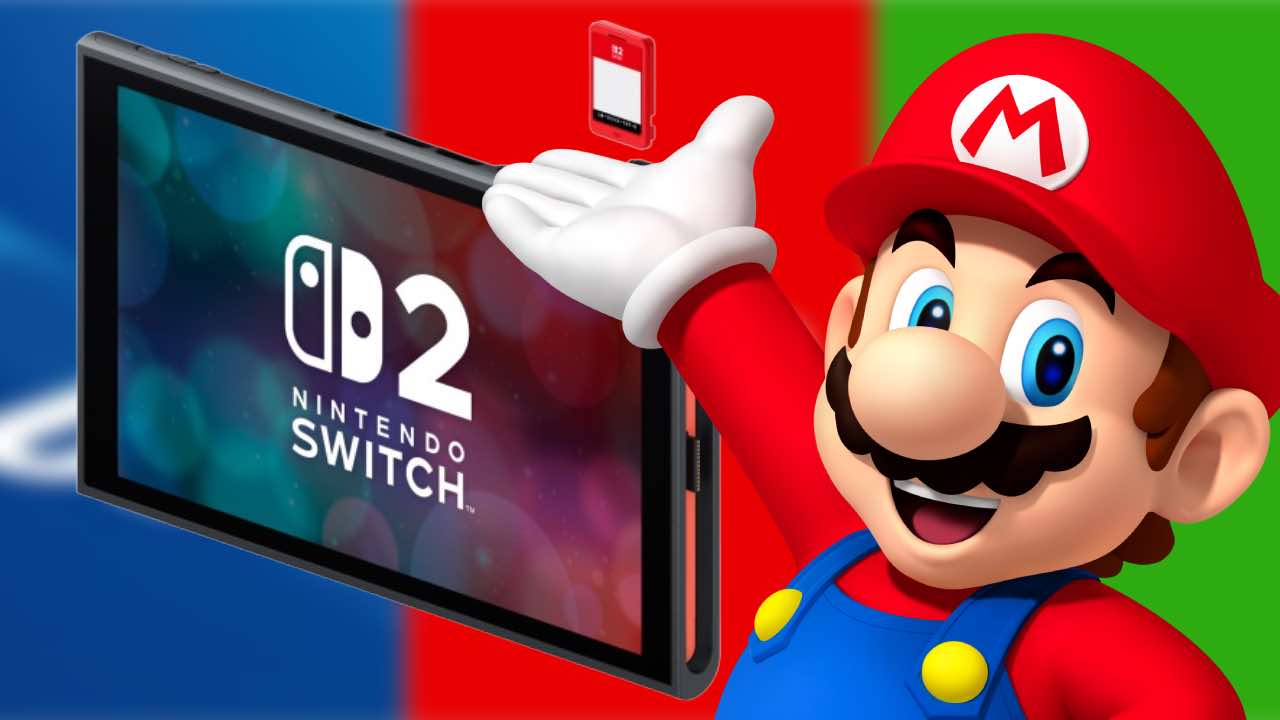
For now, it doesn’t seem that Xbox is moving away from physical media, but with Project Helix aiming to be a mid-point between PC and console—the former being an entirely digital platform these days—it’s only a matter of time. At the end of it all, that just leaves Nintendo and Switch 2 as the last bastions of physical media.
Let’s be clear, this isn’t a price issue. While physical games are sold at a ratio of one to every five digital copies, at least according to Game File, physical games are substantially cheaper to produce on both PlayStation and Xbox versus production on Nintendo Switch and Nintendo Switch 2.
Anonymous sources familiar to modern game production informed FRVR that the average cost of production for a physical PlayStation 5 game is somewhere close to $6.50, or around £5, in today’s climate for a standard release. For AAA games where hundreds of thousands of discs are pressed, this changes at scale, but costs are similar.
This ballpark price is the same for Xbox games as well, although, games releasing on Xbox in a physical nature require a higher minimum order number for publishers than their PlayStation equivalent, at least until 2028.
On the other hand, production of Nintendo Switch cartridges is considerably more expensive per unit. Our sources explained that a limited Nintendo Switch release can cost anywhere between $12 to $15, around £9 to £12, to produce on a per-unit basis. With the ongoing RAMadggedon, which has caused flash storage prices to skyrocket, this is also a much more volatile market. This number is “a bit higher” for Nintendo Switch 2.
Nevertheless, Nintendo, for now, is not abandoning physical media just yet, although the Nintendo Switch 2’s controversial Game Key Cards situation has drawn the ire of some fans. The reality is that production of physical cartridges for Nintendo games is considerably higher than any of its rival platforms, especially right now.
This has led to some curious moves, of course. Nintendo’s first-party games now come with a price increase specifically for the physical version of the game, allowing fans to pay extra to own a game fully on cartridge. Additionally, Game Key Cards offer a cheaper manufacturing option for devs while allowing trade-ins and lending, although they aren’t a true physical release.
While PlayStation is ripping the rug out from under the industry, Nintendo is giving developers options, and its worked out. In 2026, physical game spending increased concurrently year-on-year for the first time since 2009, backed by the release of the Nintendo Switch 2. It’s proven: Nintendo fans want physical games, and right now, they’re our last hope for a preserved future.
Physical video games are not just important for consumer rights. (After all, who’s to stop PlayStation from pulling digital licenses willy nilly, like it recently did for 551 films on the PlayStation Store?) Since the industry’s origins, 87% of classic games are unpreserved, lost to the ages, and physical copies are the only way to preserve console games, until those consoles are hacked, games are cracked, and then backed up.