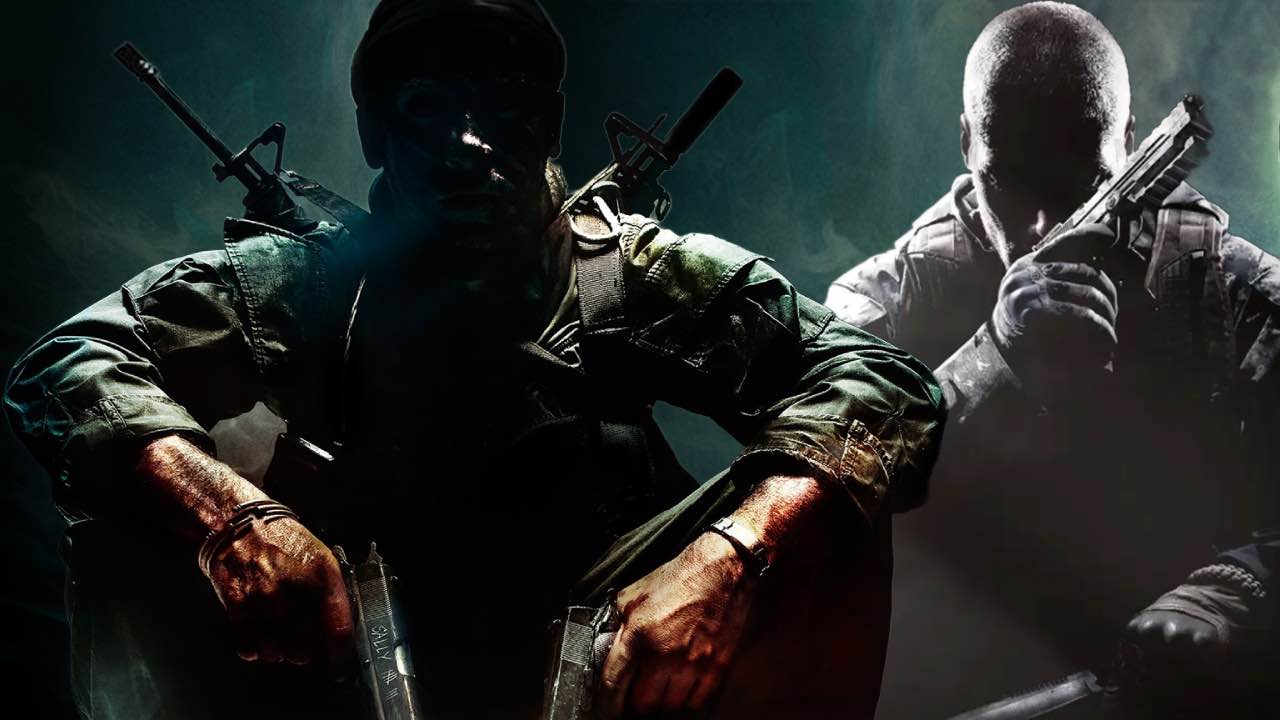
Earlier this year, Activision quickly dropped quick-and-dirty remasters of Call of Duty: Black Ops and Black Ops 2. While basic re-releases that kept the same expensive season pass DLC format as their original launches, the two classic CoD games skyrocketed to the top of sales charts.
It’s fair to say that the iconic Call of Duty games were not well served with their re-releases. Ancient netcode stayed as it was, visuals weren’t improved at all, and the game’s didn’t even benefit from cross-play which is now a common feature. Nevertheless, they sold a lot, and we’ll likely see a number of similarly basic ports in the future.
For Black Ops and Black Ops 2 level designer Gavin Goslin, they believe the re-releases of the ageing CoD titles prove two things. “First, today’s gaming landscape is starved for the tight, high-quality experiences we used to get,” he said on LinkedIn. “Second, these legacy titles are still massive money-makers for Activision and Microsoft.”
Goslin explained that the two gaming giants are “printing money off of work completed over a decade ago”, highlighting the fact that players were treated to “zero new features” despite the pricetag. While the developer took some pleasure in seeing the games’ rampant popularity, they found the experience “bittersweet” as developers get nothing from re-releases of their own games.
“I poured my life into those games,” he said, “spending countless, brutal hours in crunch alongside an incredibly talented team to make sure they were perfect. Seeing our blood, sweat, and tears still dominating the charts in 2026 is amazing, but its hard to watch the suits rake in giant financial windfalls from our old code while the actual creators don’t see a dime of it.”
Goslin added that “if executives are getting massive bonuses off the longevity of these classics, that wealth needs to be shared retroactively”. They propose that “legacy revenue should mean legacy rewards for the devs who survived the crunch to build them”, essentially bringing a royalties system to the video game medium to support older creators.
The topic of royalties in gaming has been around for a while, but the majority of creators still see zero money from games they’ve worked on. This is in contrast to all other forms of art with photography, music, writing, acting, and more all giving royalties to key staff. In gaming, though, only companies get revenue with even the most renowned developers receiving nothing.
While music in all other art forms can result in payouts for decades for musicians, that’s often not the case for game composers. (For more on that, check out our interview with iconic Banjo-Kazooie composer Grant Kirkhope!) Gaming is the single-biggest entertainment medium in the world, yet creators are hardly supported by the incredibly hostile industry they work in.
Call of Duty: Black Ops and Black Ops 2 were rush-job ports of great games, made on the cheap, and they were some of the biggest launches of this year. Unfortunately, despite the fact that they poured years of their lives into the games, the games’ original developers received nothing at all.