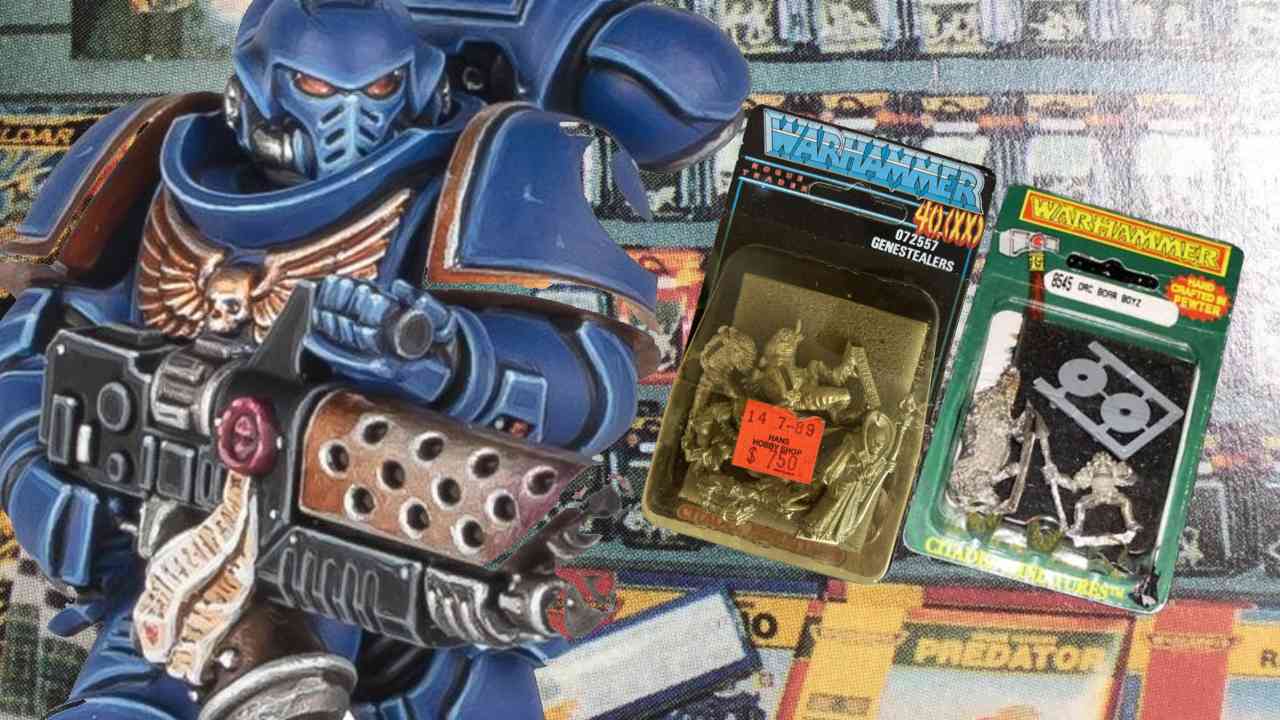
Warhammer company Games Workshop is now the flagship for miniature tabletop games, but when the miniatures company originally started in 1975, the industry was much different. Miniatures were not only much less popular, but they were treated by retailers in a way that made them almost inaccessible to new players.
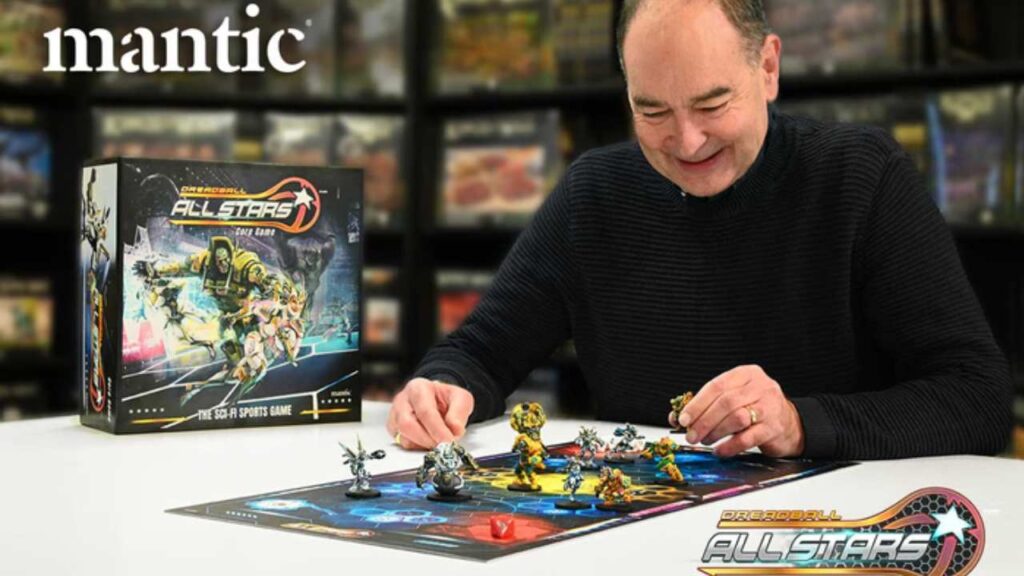
Former Warhammer designer Jervis Johnson, who is now working with Mantic Games on the upcoming sci-fi sports game DreadBall: All-Stars, explained that Games Workshop’s current popularity comes after decades of working to push the tabletop medium forward, not just by creating new products, but by presenting those products in a more marketable way.
Alongside discussing his thoughts on AI as the asbestos of the internet and expressing near disbelief at the popularity of Warhammer today, Johnson sat down to discuss the history of miniature tabletop gaming.
“When I joined Games Workshop, Citadel [Miniatures] was a tiny bit of Games Workshop based up in Eastwood, actually, making handcast metal miniatures,” Johnson recalled. Back then, miniatures weren’t boxed up so you could pile up your shelf—or wall—of shame; miniatures were (mostly) loosely displayed and kept in wooden drawers.
“You’d have to go into a store and the store would have a cabinet, maybe, with the miniatures available, and then they’d have them usually in the kind of drawers you’d keep screws in behind the counter,” Johnson explained. “They would slide the drawer out, take the metal miniature out, and sell it to you like that.”
“There were some stores who would get the stuff in blister packs, take them out of the blister packs, and put them back in their drawers behind the counter.”
Warhammer veteran Jervis Johnson
Part of getting someone into an experience is all about how you sell that experience, something that Games Workshop has excelled at in recent years. If you want to learn Warhammer, you can go into a store, see all sorts of figures on display, learn how to paint, watch a game be played, and pick up all manner of goodies to take home, but Johnson explains that one thing stood out as a jump forward in marketing: the blister pack.
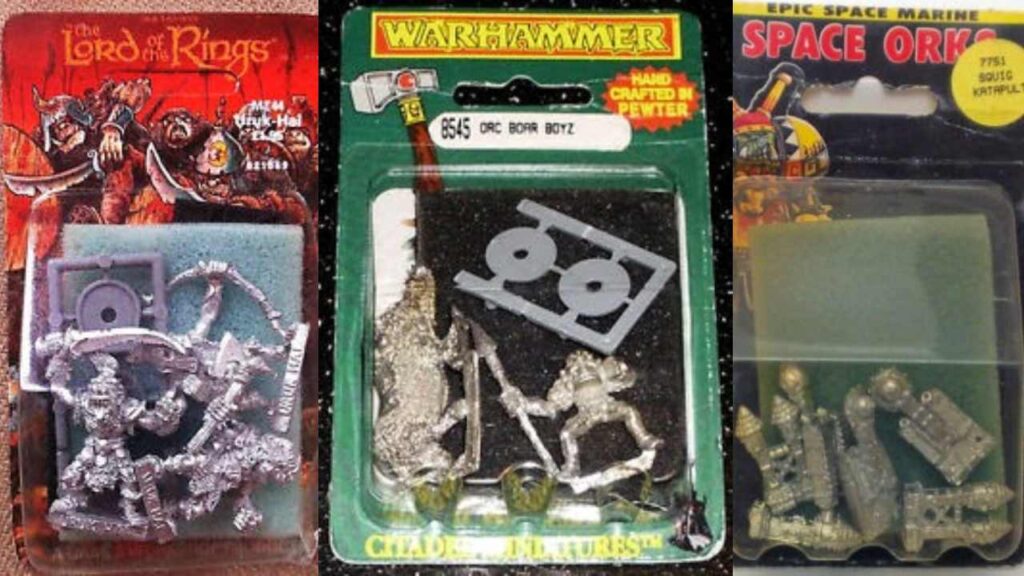
“Bryan [Ansell] basically said, “Look, we’ve got to make this more accessible to people. You can’t expect people to go in and buy stuff like that, it’s just crazy. I want to put the miniatures in blister packs.” Instead of being on display and locked away in drawers, you’d be able to pick up a miniature displayed inside a pack on a hook shelf and just buy it. While this idea is commonplace now—although most miniatures are shown in a nice little box—many thought the idea was incomprehensible.
“I was working in trade sales at the time when that went out and you would think that he was basically taking babies out and burning them or something like that,” Johnson said. “It was just like, ‘this will never work, it’s outrages, it’s crazy—all that’s going to happen is that all of the blister packs will get stolen off of the racks’. There were some stores who would get the stuff in blister packs, take them out of the blister packs, and put them back in their drawers behind the counter.”
After that, Ansell would push the move to make plastic figurines instead of just metal. Following that, he would create the Slotta Base: “he said a lot of the metal in a metal miniature was in the base because they came with a base moulded onto them and that could add 10% of the cost”.
Johnson explained that these “little tiny steps” added up over the years, making Warhammer and tabletop gaming in general more approachable, accessible, and easier to jump into. “Getting to that stage took years and years,” he said, adding that the goal was always to get Games Workshop’s products into “Ritz Toys”.
“I used to deal with and set things up so that Ritz Toys can sell the stuff, and we’ll build up our Games Workshop stores and use them as places where people can kind of come and actually play a game and learn how to paint things,” Johnson said. “That was what we were thinking about in the early days, not ‘wouldn’t it be great if we were a multinational, hundred-million-point company and people are making video games based off our IP.”
The current popularity of Warhammer and other tabletop games comes after a long, long series of improvements to the hobby’s marketing. It helps that board games are now a popular entertainment industry in themselves with Dungeons and Dragons groups like Critical Role proving to be extremely popular, but that also comes after decades of iterative improvements to the marketability of tabletop.
Right now, many Warhammer collectors and painters might not even be going into stores to buy their figures, although they should just to experience the wonders of the Warhammer Store. Nevertheless, everything from the little box your miniature comes in to the sprues the plastic pieces are attached to are evolutions of the hobby that exist due to a need and desire to push the hobby towards new fans. And they’ve clearly worked.