Despite its strengths, the virtual reality market is proving devastating for developers. As the VR market remains a tough spot for paid experiences to thrive, Vertigo Games has closed its Amsterdam studio.
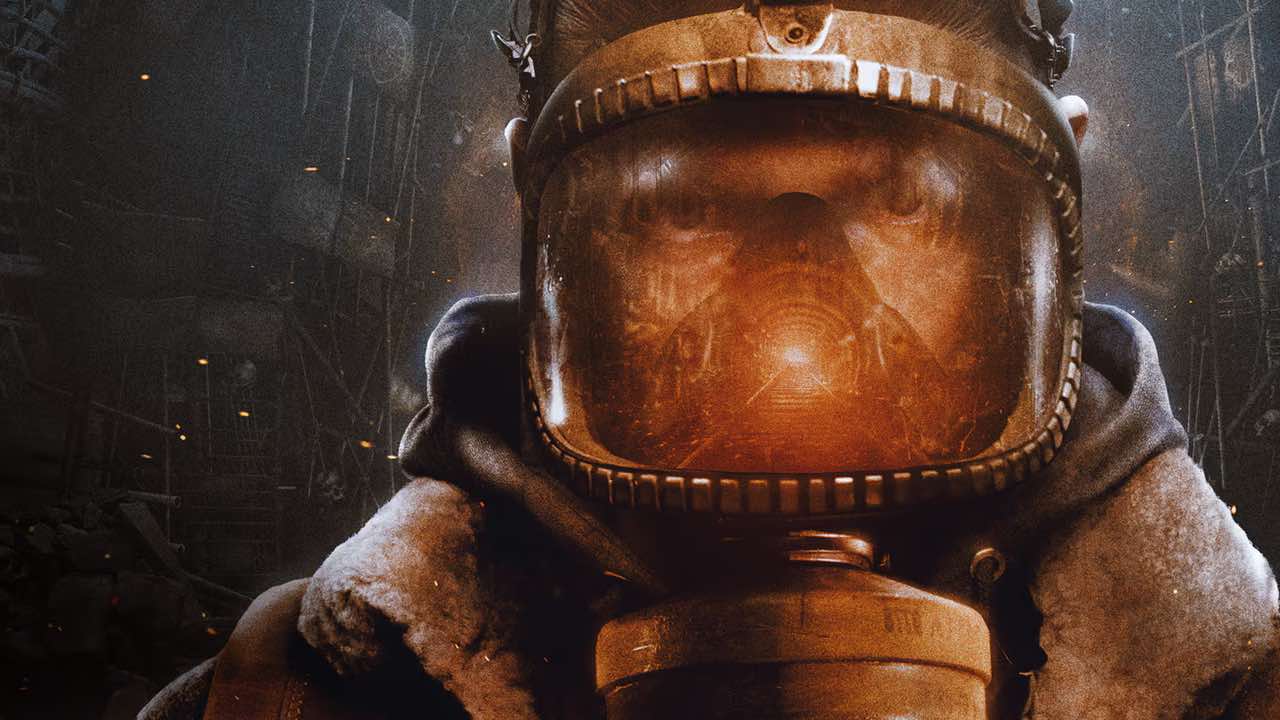
Vertigo has remained one of the most prominent VR developers over the past decade. Known for Arizona Sunshine, Metro Awakening, Thief: Legacy of Shadow and more, the studio has delivered some of the best paid VR games around, but low sales have proven troublesome for the team.
In a recent statement, CEO Richard Stiltselaar confirmed the closure of its Amsterdam studio which includes the team behind the aforementioned Metro Awakening.
“The VR market remains a challenging space, and after careful consideration, we have made the difficult decision to close Vertigo Studios Amsterdam,” the CEO said. :This is not a decision we have taken lightly, and I want to acknowledge the impact it has on everyone at Vertigo Studios Amsterdam.
“Since joining Vertigo Games in 2021, Vertigo Studios Amsterdam has delivered some of the best games in our portfolio. Their creativity, dedication, and hard work have been invaluable, and our focus right now is on supporting the team through this process.”
This is far from the only VR studio to suffer from layoffs and shutdowns over the past few years as VR players prioritise free experiences over paid games. In fact, popular free sandbox game Rec Room closed down earlier this month, citing the “the recent shift in the VR market” as a contributor to its closure.
In a prior interview with us at FRVR, Saints Row designer Chris Stockman, who recently released the free-to-play VR racing game Super RC, explained that VR developers are struggling for visibility. Alongside the smaller games media landscape due to poor ad revenue and AI-caused closures, discoverability is worse than ever for VR games.
“It gets me really riled up,” Stockman said. “I’ll try not to become too emotional about it. Let’s just put it this way: you have to advertise on TikTok and you have to hope you go viral, that’s the only way [to get seen]. That’s it. And you have to appeal to 10 to 15 year olds.”
Furthermore, the prominence of games like Gorilla Tag have caused many to see VR as a poor platform for real games. “A big, big, big reason for why VR is now almost a red-headed stepchild of the industry, and why so many gamers look down upon and say, ‘please don’t make a VR game of this, please don’t make a VR game of that.’ [It’s] because of that, because it’s got a stigma of it’s only populated by low-quality, low-budget slop fests,” he said.
In fact, we’re now seeing established VR studios push outside of virtual reality. Firesprite games, the team behind The Persistence and Horizon: Call of the Mountain, have moved entirely into flatscreen games with Until Dawn 2. Additionally, award-winning VR studio Polyarc is remaking its fantastic Moss games as flatscreen games with Moss: The Forgotten Relic.
While VR isn’t going anywhere, it is a tough time to be a VR developer, as well as a tough time for VR fans looking for new premium games. Unfortunately, the money simply isn’t there to invest in more boundary-breaking VR titles, at least right now.
For more VR news, check out the upcoming virtual reality conversion of Total Chaos which features major changes from its flatscreen counterpart.