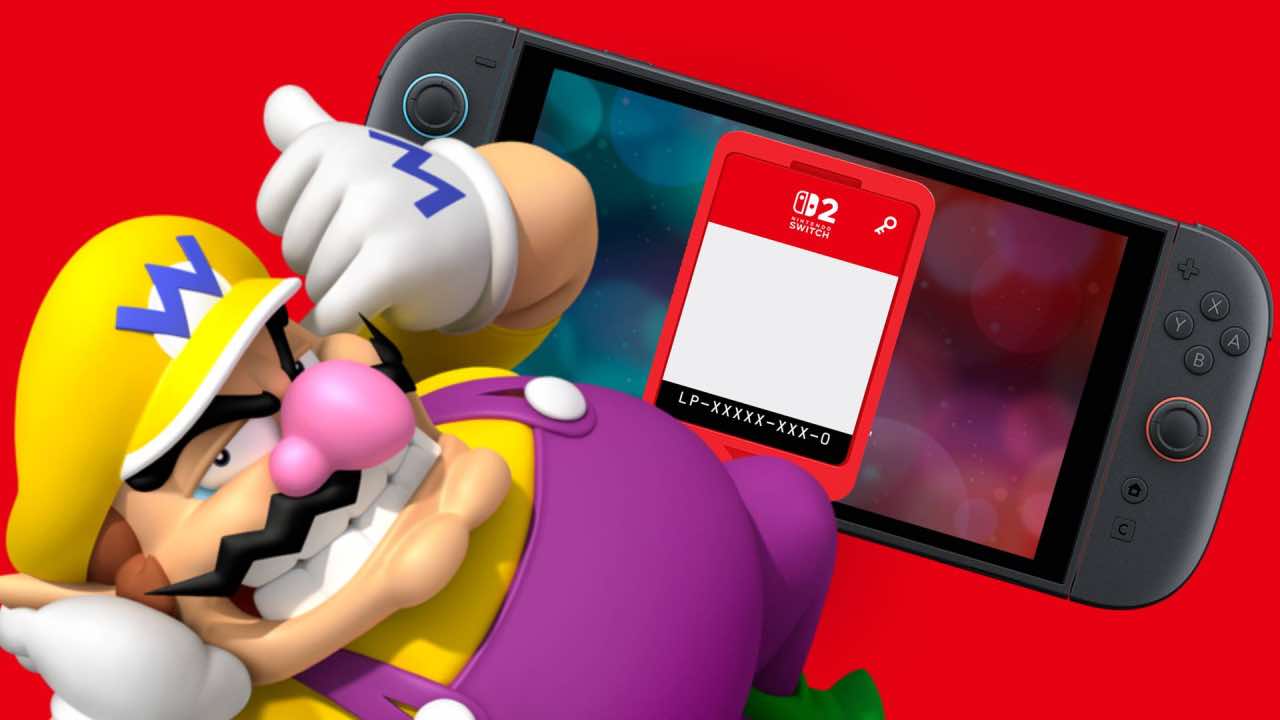
Macronix, the main production company behind the physical Nintendo Switch and Nintendo Switch 2 cartridges, is abandoning the memory manufacturing industry.
Nintendo Switch and Switch 2 cartridges make use of ROM chips by multiple manufacturers. At the time of writing, Macronix is the main producer of Nintendo’s ROM chips for Switch and Switch 2, although the company also partners with Oki Semiconductor and others depending on ROM capacity.
As revealed by tech journalist David Gibson, Macronix has announced its plans to exit ROM manufacturing at the end of Q3 2026. This means that Nintendo’s main provider of Nintendo Switch and Switch 2 cartridges will no longer be producing cartridge memory for the platform amidst the ongoing memory crisis.
Gibson explained that Macronix is “phasing out that business”, adding “there will be no new ROM products” for the company after Q3 2026. The journalist explained that ROM “fell to 5% of Macronix’s Q3 sales, from 26% a year ago”.
Additionally, the issue seems to stem from the ongoing memory crisis which has seen companies such as Micron depart consumer electronics to funnel memory into AI datacentres. Gibson reports that Macronix’s chairman “says capacity is limited”, and the company will focus instead on NOR flash memory and eMMC memory instead of ROM.
Despite this news, Gibson calmed down fans, adding that “Macronix isn’t Nintendo’s only game memory card maker, so physical cards will likely carry on for some time”. However, even as Nintendo pushes to release its first-party games on physical cartridges, those cartridges are getting more expensive as memory prices continue to climb.
As we reported earlier this year, Nintendo Switch carts cost between $12 and $15 to manufacture, but that figure continues to climb. Sources we’ve talked to have expressed worry that the cost for Nintendo Switch and Nintendo Switch 2 cartridges, the latter of which are already more expensive than their predecessors, will only get more expensive.
While controversial with fans, it’s likely that Nintendo’s Game Key Card service, which allows players to trade and re-sell download licenses on physical carts, will continue to grow in popularity. As cartridge prices increase, developers will either have to increase the price of their games for physical Switch 2 releases, or continue focusing on Key Cards in order to keep margins in line with other platforms.
Nevertheless, Nintendo has already expressed its commitment to keeping physical games alive, even going as far as to make its own physical games more expensive than digital versions. Additionally, as one of the few products using ROM cartridges, there will be other manufacturers out there that Nintendo can partner with to make up the loss of Micronix.