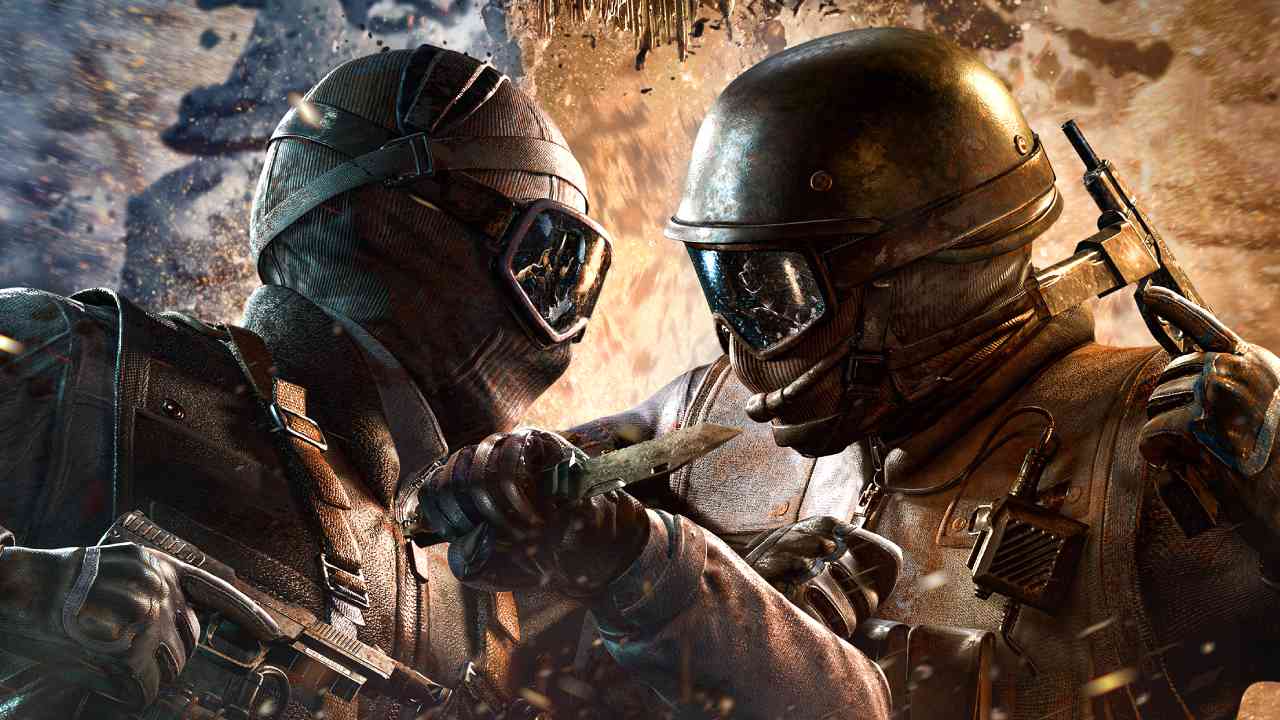
Ubisoft’s Rainbow Six Siege X is a much different game to the tactical FPS game it launched as back in 2015. To this day, the military hero shooter still has a very active player-base with new Operators, maps, events, and more frequently coming to the game.
While Rainbow Six Siege has survived for over a decade, many multiplayer games do not. In fact, Ubisoft’s very own free-to-play shooter xDefiant infamously failed to survive more than a year and a half, and some new multiplayer games don’t even last that long.
Speaking to FRVR in a recent interview, Rainbow Six Siege live content director Christopher Budgen claimed that there is only one way to actually survive for more than a decade: push the game forward in a way that doesn’t infuriate fans.
Budgen explained that the team working on Ubisoft’s shooter are always trying to make sure that “no two matches feel the same, even after years of play” with new updates constantly in the works. “These updates don’t just add content,” they said, “they reshape the meta and open up new strategies, keeping the game dynamic and rewarding”.
The director admitted that “another important lesson is that we don’t always get things right the first time”. Budgen touched on the recent free-to-play launch of Siege X, which infuriated the community as currency gain was slowed to a crawl. While the purpose was to make the grind feel more rewarding, it simply led to many players jumping ship until progression was improved.
“We underestimated the impact on our most engaged players,” Budgen said, “who felt progression was slower. Since launch, we’ve significantly increased resource payouts based on player feedback and engagement data.” As with any multiplayer game, the “data” speaks, and the Rainbow Six Siege uses immense amounts of data to inform updates.
However, as with any game’s survival, the most important part is reacting to fans. “It’s essential to listen to the community and be willing to revert or adjust when a change doesn’t feel right,” the director said. “Finding a new path forward based on player feedback has been critical to maintaining trust and ensuring Siege continues to grow in a way that feels authentic to players.”
Budgen explains that the “highly competitive” nature of live-service games means that “success depends on adaptability and transparency”—reacting to players and telling them why. “Siege has endured because we’ve consistently evolved while being honest with our players about challenges and changes,” he said citing Operation Health as a major boon to the game’s relationship with fans.
While Siege isn’t as big as it was a decade ago, even after its recent free-to-play relaunch, the game is still doing well. According to Steam Charts, which is a very limited sample size for the multi-platform shooter, the game has seen considerable player count increases over the last few months with a 25.40% rise in players over December and a 12.05% rise over the last 30 days.
For a decade-plus-old game, Rainbow Six Siege is still going strong while newcomers release and die within months or sometimes even weeks. While there are still improvements to be made—please bring back Terrorist Hunt as it was—the game’s long-term survival is a miracle to behold.